CES 2026’s Most Jaw-Dropping Reveals
▼ Summary
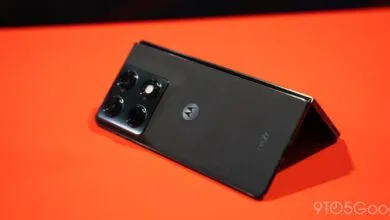
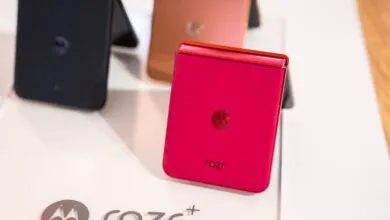
– Motorola surprised CES 2026 by expanding beyond its successful flip phones to unveil a new book-style foldable phone under its Razr brand.
– Several companies announced Wi-Fi 8 hardware based on an unratified draft specification, raising concerns about a repeat of past compatibility issues with early “Draft-N” devices.
– Roborock showcased a prototype robot vacuum with legs, the Saros Rover, which can climb stairs, addressing a major limitation of current models.
– Unlike previous years, CES 2026 featured a noticeable lack of focus on affordable, consumer-ready TVs, with most showcases emphasizing large, expensive models.
– The automotive presence at CES 2026 was minimal, largely replaced by AI and robotics, with Samsung Display’s surprise demo of a creaseless folding screen being a major highlight.
The annual CES event consistently delivers unexpected twists, from major announcements to notable absences and emerging trends that catch everyone off guard. This year’s show in 2026 was no exception, offering a series of genuine surprises that have reshaped expectations across the tech industry. We’ve compiled the most significant curveballs from the floor so far.
Motorola has carved out a strong niche with its modern flip phones, a design that pays homage to the iconic Razr lineage while introducing clever innovations. For years, the company appeared focused solely on perfecting the clamshell form. The reveal of a book-style foldable phone also bearing the Razr name signals a bold strategic shift. This move suggests Motorola is pushing beyond pure nostalgia, leveraging its heritage to compete directly in the premium foldable market and embrace a more futuristic product vision.
While companies like Asus, Broadcom, and MediaTek unveiled new routers and chipsets boasting Wi-Fi 8 capabilities, the underlying standard remains unfinished. The official IEEE 802.11bn specification, which will succeed Wi-Fi 7, is not slated for final ratification until late 2028. Despite this, manufacturers plan to release hardware based on the current draft specification later this year. This early adoption strategy carries inherent risk, as the final standard could change, potentially requiring firmware updates or leaving early hardware incompatible. The industry hopes to avoid a repeat of the problematic “Draft-N” era from 2007-2009, where significant specification shifts rendered some early devices obsolete.
The evolution of robot vacuums took a literal step forward this year. Moving past the arm-equipped models of 2025, Roborock introduced a prototype called the Saros Rover that features legs. This new design trades grasping ability for advanced mobility, with the standout feature being its capacity to climb and clean stairs. This development addresses a major safety concern for multi-level homes, preventing vacuums from tumbling down steps. The next logical advancement, combining both arms and legs on a single machine, remains a highly anticipated future milestone.
Traditionally, CES balances extravagant, large-screen displays with previews of more accessible, mid-range televisions slated for the coming year. The 2026 show, however, leaned heavily toward the premium and prohibitively expensive. While LG showcased new OLED models and Amazon highlighted its budget-friendly Ember Artline, the overall focus was conspicuously absent of affordable options from several key brands. Major players like Hisense and TCL provided little information on reasonably priced sets, and Samsung emphasized massive RGB LED screens over smaller sizes. The event offered plenty of aspiration but fewer practical choices for the average consumer looking to upgrade.
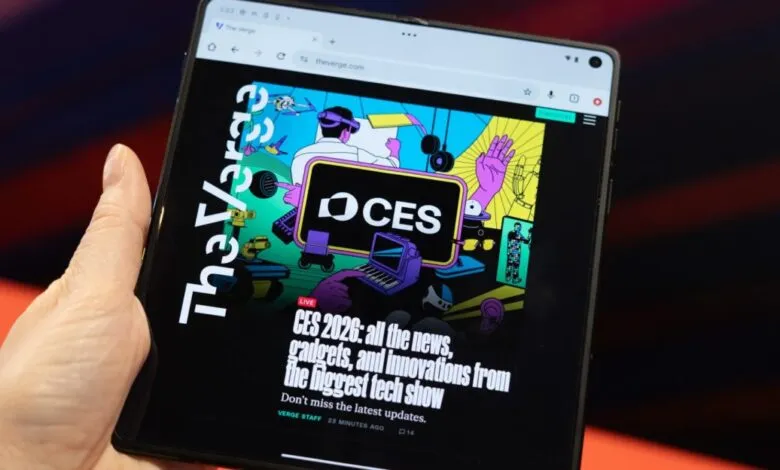
A particularly stealthy demo from Samsung Display may have offered a glimpse into the near future of smartphones. The company showed a foldable OLED panel with no visible crease, a critical hurdle that has hindered mainstream adoption of folding devices. Given that Samsung supplies displays to Apple, and reports indicate a folding iPhone is targeted for a future release, this demonstration is highly significant. Although Samsung labeled it a research concept with no commercial timeline, industry observers speculate that Apple would likely wait for a seamless folding display before launching its own model, making this potentially our first look at the technology that could power it.
The automotive presence at CES has dramatically transformed. Once a premier stage for concept cars and vehicle reveals, the 2026 floor was dominated by artificial intelligence and robotics. Hyundai showcased a production-ready Boston Dynamics Atlas robot, BMW announced deeper Alexa integration, and Mercedes revealed new AI-driven driver-assist systems. The sole concept vehicle came from the Sony-Honda partnership, Afeela, from a company yet to sell a single car. The noticeable retreat of traditional automakers, possibly due to electric vehicle market challenges or global trade tensions, left a void where futuristic mobility machines once captivated audiences, leaving many hopeful for a stronger return next year.
(Source: The Verge)