AMD Unleashes Strix Halo: Next-Gen Power for Gaming Laptops
▼ Summary
– AMD’s Strix Halo (Ryzen AI Max) is a high-end chip with powerful integrated graphics, initially marketed for AI but enabling unprecedented gaming device designs.
– New lower-end Ryzen AI Max Plus chips (392 and 388) have been announced, featuring the same graphics power but fewer CPU cores specifically for gaming devices.
– These new chips were developed in response to direct customer requests for gaming-focused product variants.
– While new Strix Halo systems may be priced between $1,000 and $1,500, it’s unclear if they will be significantly more affordable than earlier $2,000 models, especially given rising RAM costs.
– Several handheld gaming PC manufacturers, including Ayaneo and OneXPlayer, have announced devices using the Strix Halo chip.
The new AMD Strix Halo processors, now branded as Ryzen AI Max Plus, are poised to reshape the gaming laptop and handheld market by offering unprecedented integrated graphics performance at more accessible price points. While the initial Strix Halo chips delivered groundbreaking power, their high cost and the global memory shortage placed them in a premium tier. AMD’s strategic introduction of the Ryzen AI Max Plus 392 and 388 models directly addresses this by tailoring the silicon for gaming-focused devices, potentially bringing this advanced technology to a wider audience.
These new chips maintain the formidable graphical muscle of their predecessor, featuring 40 graphics compute units capable of 60 teraflops of performance. The key differentiation lies in the central processing unit. The Max Plus 392 scales back to 12 CPU cores, while the Max Plus 388 utilizes an 8-core configuration. This strategic segmentation allows manufacturers to create systems targeting specific performance and budget brackets without sacrificing the flagship-level integrated graphics that define the Strix Halo architecture.
According to Rahul Tikoo, AMD’s client chip division lead, the development of these specific models was driven by direct feedback from the industry. “We introduced the 392 and 388 chips because they are the right products for the gamers we want to reach,” Tikoo explained. “These products came about from specific customer requests for gaming-focused SKUs that we aimed to bring to market.” This move signals AMD’s commitment to collaborating with device makers to fill specific niches in the competitive portable gaming landscape.
A critical question remains regarding the final cost to consumers. While the original Strix Halo devices, like the powerful Framework Desktop and a high-end Asus tablet, approached the $2,000 mark, the new variants could signal a shift. Tikoo noted that systems built around the AI Max platform “can be in the $1,000 to $1,500 range,” a notable contrast to standard Ryzen AI laptops that often start around $500. Although this suggests a potentially more affordable entry point, final pricing will heavily depend on ongoing component costs and individual manufacturer designs.
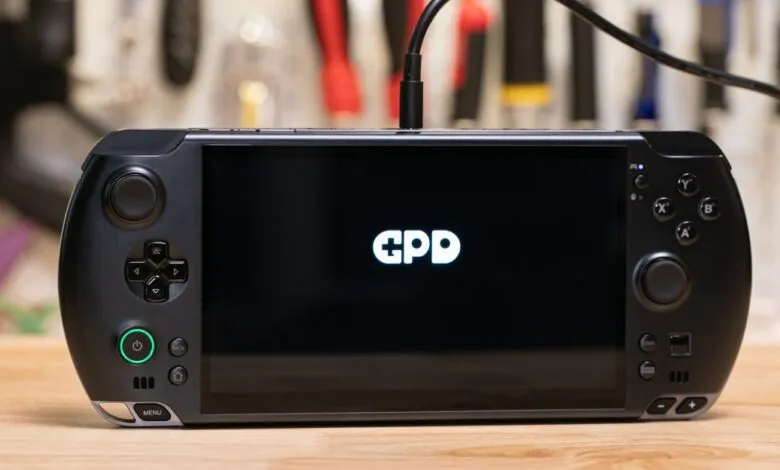
The impact of these processors is already visible in the burgeoning handheld PC market. Following impressive prototypes like the GPD Win 5, competitors such as Ayaneo and OneXPlayer have also announced plans for devices powered by Strix Halo chips. This widespread adoption underscores the industry’s recognition of the platform’s potential to deliver desktop-class gaming experiences in highly portable form factors, setting the stage for a new generation of powerful, integrated graphics-driven devices.
(Source: The Verge)