Flappy Bird’s Wild Rise and Sudden Fall
▼ Summary
– Flappy Bird was an extremely simple mobile game where players tapped to navigate a bird through oncoming pipes.
– Despite its simplicity, it became a massive global hit and cultural phenomenon in early 2014.
– Its popularity was quickly met with player backlash over its high difficulty and the developer’s sudden financial success.
– Creator Dong Nguyen removed the game from app stores at the peak of its popularity due to the controversy.
– The game’s legacy includes numerous clones and a lasting story about viral success and its consequences.
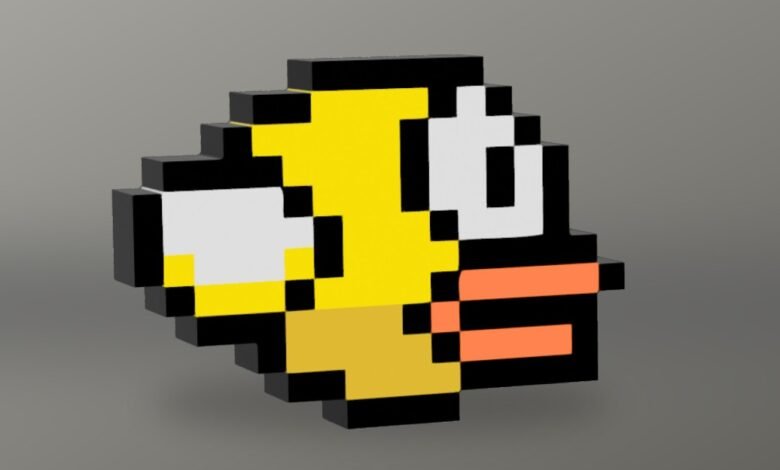
The story of Flappy Bird is a modern digital fable, a tale of viral success and sudden retreat that captivated the mobile gaming world. Its gameplay was famously minimal: players tapped the screen to navigate a small bird through a series of green pipes. This straightforward mechanic, combined with an intentionally punishing difficulty level, created an experience that was both infuriatingly simple and incredibly addictive. For a brief period in early 2014, this unassuming title dominated app store charts globally, transforming from a simple side project into a full-blown cultural phenomenon almost overnight.
The game’s creator, Dong Nguyen, never anticipated such an overwhelming response. Developed in just a few days, Flappy Bird initially languished in obscurity before its inexplicable surge to the top of the download rankings. Its rise was as rapid as it was unexpected, fueled by social media buzz and word-of-mouth sharing among players who were equally frustrated and obsessed. The game’s brutal challenge became its defining feature, creating a shared experience of repeated failure and the elusive pursuit of a high score.
However, the intense spotlight brought significant backlash. As revenue from the ad-supported game skyrocketed, public sentiment began to shift. Critics and players alike voiced annoyance over its extreme difficulty, while others directed scrutiny and even hostility toward Nguyen himself for the sudden wealth generated by such a simple app. The pressure escalated quickly, compounded by media attention and a flood of questions about the game’s inspiration and its perceived impact on players.
At the absolute peak of its popularity, Nguyen made a stunning decision. He chose to remove Flappy Bird entirely from the Apple App Store and Google Play, effectively erasing the source of his newfound fortune. This act was unprecedented, turning the game’s narrative from one of viral triumph to one of abrupt withdrawal. The removal left millions of players unable to download the original, cementing its status as a digital relic and sparking a secondary market for devices that still had it installed.
The legacy of Flappy Bird extends far beyond its short lifespan. Its disappearance created a vacuum quickly filled by countless clones and spiritual successors, all attempting to replicate its simple formula. The episode also sparked lasting conversations about developer mental health, the unpredictable nature of app store success, and the intense pressures that accompany viral fame. While a game bearing the name still exists in some forms today, the original phenomenon essentially ended as suddenly as it began, leaving behind a fascinating case study in the volatile world of mobile gaming.
(Source: The Verge)


