What’s Next for Google Pixel? New Product Categories We Want
▼ Summary
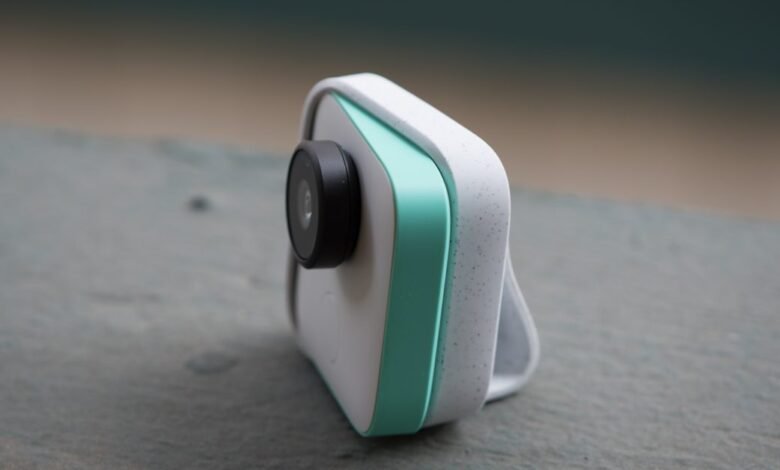
– The author believes Google’s hardware division has become more conservative since the experimental Google Clips, missing opportunities like a foldable phone or expanded smart home availability.
– Google’s current product categories include phones, tablets, watches, smart home devices, and audio products, with potential expansions into rugged watches and Android laptops.
– The author criticizes Google for canceling Pixel Tablet accessories and features, which undermined the device’s longevity and utility for existing owners.
– Future Google hardware is unlikely to include smart glasses or dedicated AI pins soon, as the company believes AI’s future is in glasses and the smartphone’s central role.
– The author personally wishes for a Pixel Bluetooth speaker with better controls and features like Google Cast on battery power.
The future of Google’s hardware lineup holds significant potential for expansion, with several logical product categories ripe for innovation. While the current portfolio of phones, tablets, watches, and smart home devices is robust, there are clear opportunities for Google to push boundaries and better serve its user base. The company’s history of experimental projects suggests a capacity for bold moves, even if recent years have seen a more measured approach.
A more rugged or fitness-focused smartwatch represents a natural evolution for Wear OS. After several generations of the Pixel Watch, a device built for durability and advanced health tracking could capture a new audience. Leveraging Fitbit’s expertise, such a watch could feature a larger case for extended battery life and house sophisticated sensors not yet miniaturized for sleeker designs. The inclusion of emergency satellite features in recent models hints at this more adventurous direction.
The landscape for large-screen Google devices is also shifting. The next major portable touchscreen product will likely be a Pixel laptop or 2-in-1 convertible running a full desktop version of Android. This would position Google as a premium competitor in the productivity space, much like the revered Pixelbook, rather than revisiting the tablet-as-entertainment-hub concept. The cancellation of promised keyboard and stylus accessories for the Pixel Tablet was a particular disappointment for owners, limiting the device’s utility and longevity.
In audio, Google might avoid the premium over-ear headphone fray. Instead, a pair focused on supreme comfort for all-day wear could emerge, acting as a seamless conduit for the Gemini AI assistant. This aligns with a philosophy of integrating AI into everyday tools rather than creating standalone gadgets. For now, dedicated AI hardware like pins or pendants seems an unlikely path for Google, which appears to believe the smartphone’s central role will persist, eventually complemented by smart glasses when that technology matures.
Some products feel conspicuously absent. A Pixel-branded Bluetooth speaker, for instance, seems like a missed opportunity to design a beautiful, Cast-enabled home object with intuitive physical controls. Furthermore, evidence strongly suggests Google fully developed a Find My Device network-compatible tracker, akin to an AirTag, but chose not to release it, likely due to early concerns over privacy and potential brand repercussions.
Ultimately, the most exciting prospects lie where Google’s software prowess meets thoughtful hardware. Whether it’s a hardy smartwatch, a capable Android laptop, or intelligently designed audio gear, the potential is there for products that feel distinctly and usefully Googley once again.
(Source: 9to5 Google)