NES-Style Mini PC Packs Ryzen AI 9 & Radeon 890M Power
▼ Summary
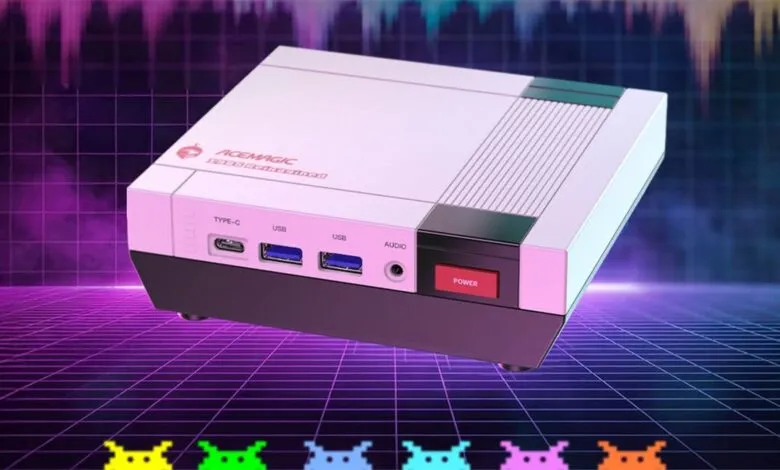
– Acemagic, a Chinese device maker, is teasing a new mini PC called the Retro X5, which has a chassis design heavily resembling the classic Nintendo Entertainment System (NES).
– The mini PC is powered by an AMD Ryzen AI 9 HX 370 processor with 12 cores, a Radeon 890M iGPU, and a 50 TOPS NPU, making it a capable system for gaming and AI tasks.
– Its mini PC form factor should allow the processor to run without typical thermal constraints, potentially operating at the higher end of its power range for better performance.
– The device features front ports like USB-C and audio, with promised expandable memory, storage, multiple display outputs, and high-speed connectivity, though full specifications are not yet detailed.
– Acemagic may differentiate the product with a “RetroPlay Box” launcher and could potentially use a Linux-based OS like SteamOS to save costs, capitalizing on current retro-gaming and PC hardware trends.
A new mini PC from Chinese manufacturer Acemagic is generating buzz with a design that directly channels the nostalgic look of the original Nintendo Entertainment System. Dubbed the Retro X5, this compact machine is built around the powerful AMD Ryzen AI 9 HX 370 processor, positioning it as a modern desktop solution with a classic gaming aesthetic. While the company markets it as an all-in-one platform to simplify classic gaming, the specific operating system remains a point of speculation, leaving enthusiasts to wonder if it will run Windows 11, a Linux variant like Batocera, or something else entirely.
The hardware at its core is decidedly contemporary and potent. The Ryzen AI 9 HX 370 CPU combines four high-performance Zen 5 cores with eight efficiency-focused Zen 5c cores for a total of 12 cores and 24 threads, capable of boosting up to 5.1GHz. Graphics are handled by the integrated Radeon 890M with RDNA 3+ architecture, featuring 16 Compute Units and clock speeds reaching 2.9 GHz. This combination should deliver a significant performance uplift over popular handhelds like the Steam Deck, especially when connected to higher-resolution desktop monitors. An additional advantage for a mini PC form factor is the potential for better sustained performance, as the system can likely operate at the higher end of the chip’s 15-54W power range without the thermal limitations common in laptops.
Connectivity and expansion appear robust, though details are still emerging from the initial teasers. The front panel shows a USB-C port, two USB Type-A ports, a 3.5mm audio jack, and the power button. Acemagic promises expandable memory and storage, multiple display outputs, and high-speed connectivity. This strongly suggests the inclusion of dual SODIMM slots for RAM, at least two M.2 slots for storage, and a rear panel equipped with HDMI, additional USB ports (potentially USB4 or newer standards), Ethernet, and wireless capabilities.
A key differentiator for the Retro X5 could be its software experience. The company has showcased a launcher interface called RetroPlay Box, represented by animated tiles in promotional material. This could be a simple application layered over a standard Windows 11 installation. However, there is a compelling possibility that Acemagic might opt for a custom Linux-based operating system, such as SteamOS or Batocera Linux. This move would reduce costs by avoiding Windows licensing fees and could provide a more streamlined, console-like environment tailored for gaming and emulation.
The retro-inspired design trend in PC hardware is gaining momentum, and Acemagic is clearly aiming to capitalize on this wave. Factors like the high cost of current AAA gaming PCs, growing interest in alternative operating systems, and a pervasive sense of nostalgia for classic consoles create a favorable market for such a product. By pairing a recognizable, beloved form factor with modern, capable internals, the Retro X5 hopes to carve out its own niche. The company has stated the mini PC is “coming soon,” so more concrete specifications, pricing, and availability details are expected in the near future.
(Source: Tom’s Hardware)