Unlocking PS3 Emulation: How X86 SIMD Instructions Boost Performance
▼ Summary
– Efficient hardware emulation depends on creatively mapping to a CPU’s opcodes, sometimes using instructions not originally intended for that purpose.
– The PlayStation 3’s Cell processor is unusual, combining a standard PowerPC core (PPE) with simpler co-processors (SPEs) linked by a high-speed bus.
– The Cell processor heavily emphasized floating-point vector (SIMD) processing, which initially led to plans for the PS3 to lack a dedicated GPU.
– Emulators creatively map the Cell’s SIMD instructions to modern instruction sets like SSE and AVX to improve performance.
– This mapping process faced challenges, such as Intel’s temporary removal of AVX-512, though some functionality was restored in AVX2.
Efficient hardware emulation relies heavily on translating a system’s instructions into operations the host computer’s processor can execute natively. This process allows developers to target specific CPU opcodes, sometimes in ways the original chip designers never envisioned. For the RPCS3 PlayStation 3 emulator, this creative mapping has led to significant performance breakthroughs, particularly through the clever use of modern x86 SIMD instruction sets.
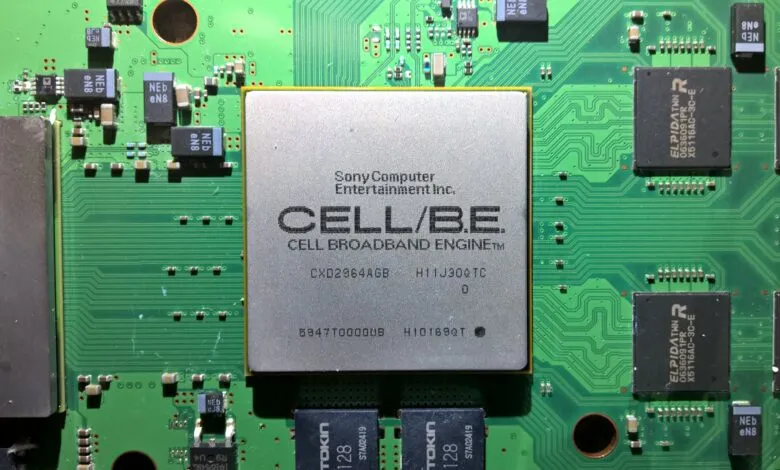
The PlayStation 3’s Cell processor is an unusual piece of hardware. It combines a single standard PowerPC core, known as the PPE, with several streamlined co-processors called synergistic processing elements, or SPEs. These components are linked by a high-speed internal bus. A major design focus for the Cell was on floating-point vector processing, which uses SIMD, or Single Instruction, Multiple Data, techniques. This architectural choice is partly why early plans for the PS3 did not include a dedicated graphics processing unit.
Consequently, finding an optimal way to map the Cell processor’s unique SIMD instructions to those available on modern Intel and AMD CPUs is crucial for performance. Emulator developers often translate these instructions to SSE and AVX extensions. This strategy makes perfect sense for maximizing speed, though it hasn’t been without challenges. For instance, Intel’s temporary removal of AVX-512 support created major obstacles for the development team. Fortunately, many of the necessary functionalities reappeared in the subsequent AVX2 instruction set, allowing the emulation work to continue advancing.
(Source: Hackaday)