China’s Second Reusable Rocket Launch in Three Weeks
▼ Summary
– China successfully launched its new reusable Long March 12A rocket into orbit on its first flight, marking the second such debut this month.
– The rocket’s methane-fueled first stage booster failed to land successfully, crashing downrange after missing its braking burn.
– The mission’s upper stage performed as intended, reaching its planned orbit according to the state-owned developer CASC.
– This failure mirrors the recent debut of the privately-developed Zhuque-3 rocket, which also reached orbit but crashed its booster during a landing attempt.
– Despite the landing failure, CASC stated the flight provided critical engineering data to advance reusable rocket technology.
China has successfully launched its second reusable rocket in just three weeks, marking a significant acceleration in the nation’s efforts to develop cost-effective space access. The debut flight of the Long March 12A rocket achieved its primary objective of reaching orbit, though its reusable booster stage was not recovered as planned. This event follows a similar pattern seen with another Chinese commercial rocket earlier in the month, highlighting both rapid progress and the inherent challenges of mastering reusable launch technology.
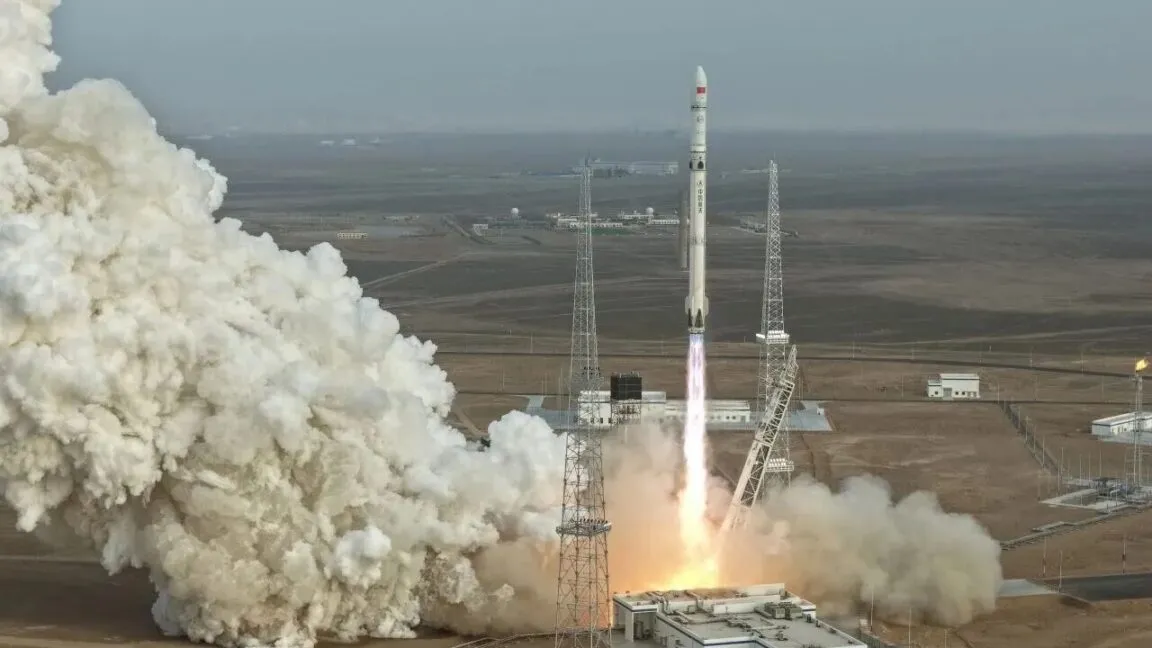
The new rocket lifted off from the Jiuquan Satellite Launch Center. Standing at a size comparable to SpaceX’s Falcon 9, the Long March 12A is a medium-lift vehicle powered by methane fuel. Its upper stage performed flawlessly, delivering its payload to the intended orbit. However, the mission’s goal of recovering the first-stage booster was not met. The booster re-entered the atmosphere at high speed and impacted a remote area approximately 200 miles from the launch site, failing to execute the necessary braking maneuver for a controlled landing.
The state-owned China Aerospace Science and Technology Corporation (CASC), which developed the rocket, confirmed the orbital success while acknowledging the recovery issue. The corporation stated that the first stage failed to be successfully recovered and that engineers are analyzing the specific reasons for the malfunction. Despite the landing failure, officials emphasized that valuable flight data was collected, which will inform future recovery attempts.
This mission closely mirrors the recent inaugural flight of the Zhuque-3 rocket, built by the private firm LandSpace. That launch on December 2 also saw the rocket reach orbit successfully, but its recoverable booster crashed near its intended landing zone. The parallel outcomes for these two separate medium-lift rockets, one state-backed and one commercially developed, demonstrate a concerted national push toward reusability. While the Zhuque-3’s booster landed closer to its target, both vehicles represent critical steps in a broader Chinese strategy to reduce launch costs and increase mission frequency.
CASC framed the flight as a vital learning opportunity. The organization noted that the mission obtained critical engineering data under actual flight conditions, establishing a foundation for more reliable recovery in subsequent launches. The development team plans a comprehensive review and technical analysis to determine the cause of the failure and to refine the recovery methodology. This iterative approach is standard in the aerospace industry, where initial test flights often prioritize gathering data over achieving every secondary objective.
The back-to-back launches of new reusable rockets within a single month signal China’s aggressive timeline for advancing its space capabilities. Mastering the recovery and refurbishment of rocket boosters is seen as essential for supporting ambitious projects like large satellite constellations and future lunar missions. As these programs continue, the lessons learned from these initial flights will be instrumental in achieving the goal of routine, economical access to space.
(Source: Ars Technica)