Politics as Fandom: How Fascism Is Its Dark Fan Fiction
▼ Summary
– Zohran Mamdani’s mayoral campaign used a TV ad featuring former Survivor contestants to symbolically vote his opponent off the “island,” targeting fan communities.
– The campaign is an early example of leveraging pre-existing fandoms, translating political stakes into the emotional language these communities understand.
– A strategist noted the ad aimed to spark conversations within watch parties, potentially mobilizing groups to join the political movement.
– Modern political movements, like fandom, are built on community, shared narratives, and hero/villain dynamics, with digital behaviors once reserved for pop culture.
– The MAGA movement exemplifies political fandom, creating its own lore and aesthetics while absorbing others, like gaming culture, to attract supporters.
The intersection of political campaigning and fan culture represents a fundamental shift in how movements build community and loyalty. Modern politicians are increasingly acting not just as candidates, but as narrative centers for fandoms, translating complex policy stakes into the emotional language of shared identity and belonging. This approach moves beyond traditional outreach, seeking to embed a campaign within the existing social ecosystems where people already find meaning and connection.
Zohran Mamdani’s campaign for New York City mayor exemplified this strategy. One of its final television ads cleverly borrowed the format of the reality show Survivor. For thirty seconds, former contestants from the program directly addressed viewers, explaining their symbolic decision to “vote out” Mamdani’s opponent, Andrew Cuomo, from the “island” of Manhattan. The ad was designed to resonate within the show’s dedicated fan community, sparking conversations at watch parties and transforming passive viewers into potential activists.
“We believed, because of the social nature of this show, that we could convince more than just one person, but we could convince everybody at their watch party,” explained Eric Stern, a Democratic strategist involved with the ad. The goal was to leverage a pre-built community’s shared language and rituals to drive political engagement, turning cultural affinity into electoral action.
This tactic recognizes that fandom is more than casual enjoyment. It is a powerful framework for community built on shared lore, inside jokes, and clearly defined narratives of heroes and villains. These elements shape worldviews and foster deep belonging. While political movements have always operated on similar principles of us-versus-them storytelling, the digital behaviors of modern fandom, creating fan edits, obsessive support, and collective myth-making, were once reserved for pop culture. Now, they are central to political identity.
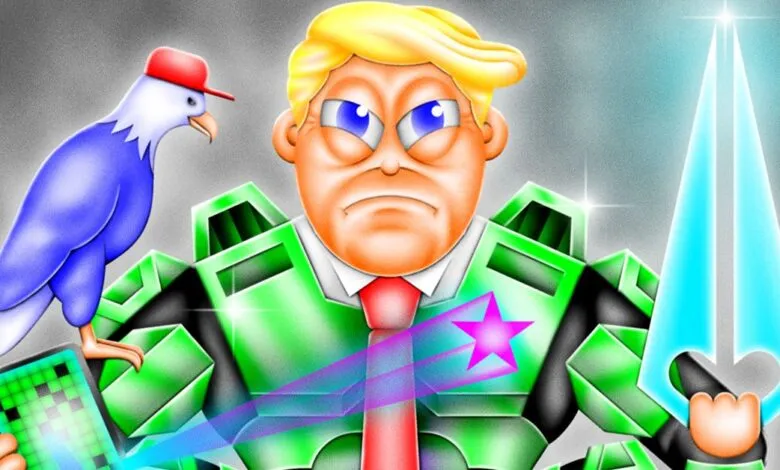
The “Make America Great Again” movement under President Donald Trump demonstrated the potent fusion of politics and fandom. For a decade, his supporters have engaged in more than voting. They have created merchandise, traveled to rallies with the dedication of concert-goers, and woven elaborate online lore about a “deep state” opposed by their champion. The Trump campaign did not just cultivate its own fandom; it actively absorbed aesthetics and communities from other realms, like professional wrestling and gaming, to create accessible entry points for new supporters.
A recent example involved the nostalgic world of early-2000s console gaming. When a GameStop post humorously declared the “console wars” over, an official White House social media account quoted it, crediting Trump with presiding over the end of the conflict. This was a direct attempt to tap into the shared memories and inside jokes of a specific generational fanbase, framing political leadership within their cultural narrative. This cross-contamination shows how political movements now function as dark fan fiction, adopting the tools of community building but applying them to the high-stakes arena of power and governance. The most successful modern politicians understand that to win, they must first make people feel like they belong.
(Source: Wired)