Meta Halts Third-Party VR Headset Plans, Scrapping Asus & Lenovo Devices

▼ Summary
– Meta has paused its program to launch third-party VR headsets using its Horizon OS, shifting focus to its own first-party hardware and software development.
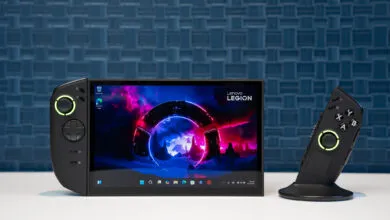
– The paused initiative had initially partnered with Asus and Lenovo to build specific gaming and productivity headsets, but these devices are now unlikely to be released.
– This decision aligns with Meta’s broader strategy to improve the polish and sustainability of its Reality Labs division, including design hires and product delays.
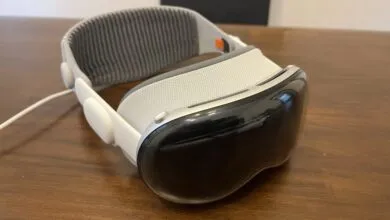
– Meta faces new competition from Apple’s Vision Pro and Android XR, with the latter undermining Meta’s goal to be the open “Android of XR” for third-party hardware.
– A major challenge for third-party Horizon OS headsets was competing on price against Meta’s own subsidized hardware and the stronger app ecosystems of rival platforms.
Meta has decided to suspend its plans for third-party virtual reality headsets running its Horizon OS software. The company confirmed it is now concentrating its efforts on developing its own premium hardware and software, stating this internal focus is essential for pushing the entire VR market forward. This strategic shift effectively cancels previously announced partnerships with Asus and Lenovo, halting their planned devices before they could launch.
This development marks a significant reversal from the company’s announcement roughly eighteen months ago. At that time, Meta rebranded its Quest operating system to Horizon OS and unveiled a strategy to license it to other manufacturers. The goal was to create a more open ecosystem, positioning itself as a counterpoint to Apple’s closed approach with VisionOS. Asus was tasked with developing a high-performance gaming headset, while Lenovo was working on mixed-reality devices aimed at productivity and learning applications. Neither project will proceed under the current pause.
A company spokesperson explained the decision, noting the need to prioritize first-party development to advance the technology. They indicated that partnerships with other device makers could be reconsidered in the future as the broader extended reality category matures. This pause coincides with a broader internal recalibration within Meta’s Reality Labs division, which is responsible for its augmented and virtual reality ambitions.
The division is reportedly emphasizing sustainability and higher quality in its product releases. This refined focus has led to other consequential decisions, including the delay of a premium headset meant to compete with Apple’s Vision Pro until at least 2027. Furthermore, Meta has recruited a former senior Apple design executive to elevate the craftsmanship and user experience of its devices, signaling a clear intent to improve polish and ease of use.
External market pressures are a major driver behind these changes. The arrival of Apple’s Vision Pro and, more critically, the formal announcement of Android XR have reshaped the competitive landscape. Meta’s original “Android of XR” vision for Horizon OS now faces a direct challenge from Google’s actual Android platform, which naturally comes with the immense app catalog of Google Play. Without a comparable software ecosystem, Horizon OS struggles to match that inherent strategic value for potential hardware partners.
Another persistent obstacle for the third-party Horizon OS model has been pricing. Meta has historically sold its Quest headsets at or near cost, subsidizing the hardware to build its user base and generate software revenue. This creates a nearly impossible market position for partners like Asus or Lenovo, whose profits would rely solely on hardware sales. Competing on price against the platform owner itself, which sells its own subsidized devices, proved to be an unsustainable business proposition.
Given these dynamics, Android XR emerges as a potentially more viable foundation for third-party headset makers. The platform offers access to a vast existing app library and, unlike Meta, Google is not currently a direct hardware competitor in the space. For companies seeking to build VR and mixed reality devices, partnering with a platform that provides both software scale and a level competitive field appears increasingly logical. Meta’s strategic retreat to its own hardware and software development suggests a recognition that winning in this market may first require perfecting its own core offerings before attempting to build an external alliance.
(Source: Road to VR)