OnePlus Pad Go 2 Review: The Best Mid-Range Tablet

▼ Summary
– The OnePlus Pad Go 2 is a significant upgrade over its predecessor, featuring a larger 12.1-inch display, a much larger 10,050mAh battery, and a faster MediaTek Dimensity 7300-Ultra chipset.
– Its new chipset enables the inclusion of OnePlus’s Open Canvas multitasking software and strong performance, making it highly capable for productivity tasks and gaming.
– The tablet offers excellent value in the mid-range market, starting at $399.99/£319, and uniquely includes a 5G connectivity option (in the UK) not found on the more premium OnePlus Pad 3.
– Reviewers praised its clean OxygenOS software with minimal bloatware and its high-quality, bright display with a 7:5 aspect ratio ideal for multitasking.
– The main noted compromise is a more subdued, fingerprint-prone design compared to the previous model, but it remains a highly recommended and outstanding mid-range tablet overall.
For anyone seeking a powerful yet affordable tablet that excels at both work and play, the OnePlus Pad Go 2 stands out as a remarkably well-rounded choice. This thoughtful update builds on the strengths of its predecessor with meaningful improvements, including a larger, brilliant display, significantly enhanced battery life, and a faster chipset that unlocks powerful productivity software. The addition of 5G connectivity in certain models further cements its status as a versatile companion for users on the move, offering compelling value in the competitive mid-range segment.
This latest tablet from OnePlus comfortably occupies the space between the budget Pad Lite and the premium Pad 3. While mid-range devices often involve noticeable compromises, the Pad Go 2 challenges that expectation. It emerges as one of the most capable tablets in its class, feeling closer in spirit to its more expensive sibling thanks to several key upgrades. The shift to the MediaTek Dimensity 7300-Ultra chipset is the most significant change, delivering smooth performance for gaming and daily tasks while also enabling the inclusion of OnePlus’s excellent Open Canvas software, a major boon for getting work done.
Having Open Canvas available on the new, larger 12.1-inch display with its 7:5 aspect ratio makes the Pad Go 2 an instant recommendation for students or budget-conscious buyers who want a serious productivity tool without the flagship price tag. Interestingly, with the inclusion of 5G, a feature absent from the current Pad 3, this model could be the default choice for mobile professionals who need reliable connectivity away from Wi-Fi until the higher-end tablet catches up.
The battery receives a substantial upgrade, growing from 8,000mAh to a robust 10,050mAh cell. This translates to noticeably longer use between charges, a practical advantage when power outlets are scarce. If there’s a slight drawback, it’s in the design, which moves away from the distinctive green of the original model toward a more subdued aesthetic that echoes the recent OnePlus Nord 5. It’s a minor point on what is otherwise an outstanding package. For mid-range tablet shoppers, the OnePlus Pad Go 2 deserves to be at the very top of the list.
Pricing and Specifications
The OnePlus Pad Go 2 starts at $399.99 or £319 for the 128GB Wi-Fi model. A UK-exclusive variant with 256GB of storage and 5G support is priced at £399. Availability in Australia is still to be confirmed. While this represents a slight increase over the launch price of the original Pad Go, the added value justifies the cost, especially when compared to alternatives like the iPad 11-inch (2025), where the Pad Go 2 undercuts the price.
Key specifications highlight the upgrades. The display is now a 12.1-inch LCD with a 2.8K resolution and a smooth 120Hz refresh rate. It’s powered by the MediaTek Dimensity 7300-Ultra chipset with 8GB of RAM, and storage options are 128GB or 256GB. The substantial 10,050mAh battery supports 33W wired charging, and the tablet features an 8MP rear camera and an 8MP front-facing camera. The 5G model is slightly heavier at 599g compared to the Wi-Fi model’s 597g.
Display and Design
The display is a major highlight. Moving past the lower-resolution screen of the Pad Lite, the Pad Go 2 offers a gorgeous 12.1-inch panel that is both larger and brighter than before, peaking at 600 nits. The 2.8K resolution ensures everything looks crisp, making for a fantastic viewing experience whether you’re streaming video or browsing the web. The 7:5 aspect ratio is the secret weapon for productivity, providing a squarer canvas that is ideal for multitasking with two apps side-by-side, much like the more expensive Pad 3.
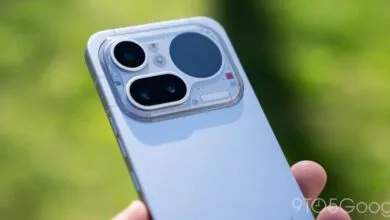
The design has evolved to a more conservative look. The review unit in Shadow Black is sleek but understated, and the back can attract fingerprints fairly quickly, suggesting a case might be a wise accessory. A Lavender Drift colorway offers a more vibrant option. Despite the larger screen, OnePlus has managed a slimmer profile at 6.83mm thick, making the tablet comfortable to hold and easy to slip into a bag. The slight increase in weight adds a pleasant sense of solidity without becoming cumbersome.
Software and Performance
The software experience is a strong suit. OxygenOS provides a clean, intuitive interface with minimal bloatware, setting it apart from many Android alternatives. The inclusion of Open Canvas multitasking software is a game-changer, transforming the tablet into a legitimate work device. Features like the 90/10 split view allow for efficient app management, perfect for referencing notes while writing or researching.
AI features are present but not intrusive. Tools like an AI summarizer for web pages are available if you seek them out, but they don’t dominate the experience. The new MediaTek Dimensity 7300-Ultra chipset handles everything with ease. In testing, the tablet managed heavy multitasking, running multiple apps and video streams simultaneously, without any stuttering or slowdown. Gaming performance is also impressive, with titles like Call of Duty: Mobile running flawlessly and more demanding games like Honkai: Star Rail performing very well. The quad-speaker system delivers clear, room-filling sound.
Battery Life and Verdict
Battery life is exceptional. The jump to the 10,050mAh cell yields a device that easily lasts through a full day of intensive use, including streaming, gaming, and browsing. OnePlus’s claim of up to 15 hours of video playback seems entirely plausible. The 33W charging is respectable, and a welcome addition is reverse charging capability, allowing the tablet to top up other devices like phones or earbuds in a pinch.
Who should buy the OnePlus Pad Go 2?
- Productivity users on a budget: The combination of Open Canvas software, the 7:5 display, and strong performance makes it an excellent tool for work or study.
- Users who need all-day battery life: The massive battery ensures you won’t be scrambling for a charger.
- Those who prefer a clean Android experience: OxygenOS is streamlined and user-friendly.
Who should look elsewhere?
- Entertainment-only users: If you just want to watch videos, the more affordable OnePlus Pad Lite suffices.
- Buyers who don’t need 5G: You can save money with a Wi-Fi-only tablet from another brand.
- Those prioritizing ultra-fast charging: Some competitors offer quicker charging speeds.
Alternatives to consider include the Apple iPad 11-inch (2025), which offers deep integration into the Apple ecosystem and iPadOS, and the OnePlus Pad Lite, a more affordable option focused squarely on media consumption. For a balanced blend of productivity power, entertainment quality, and enduring battery life at a mid-range price, the OnePlus Pad Go 2 is very difficult to beat.
(Source: TechRadar)