▼ Summary
– 16th-century medical manuals were popular DIY guides for common ailments, used by “reader-practitioners” who actively experimented with and personalized the recipes.
– Researchers have analyzed trace proteins from fingerprints in these Renaissance manuals, marking the first use of proteomics to study such historical recipes.
– The interdisciplinary study combined proteomic analysis with archival research to place the scientific findings in proper historical context.
– The manuscripts’ marginal notes reveal a Renaissance culture of hands-on experimentation, representing a shift toward practical knowledge construction.
– The research is part of a broader trend of using advanced analytical techniques, like microbial analysis, to create molecular records of historical artifacts.
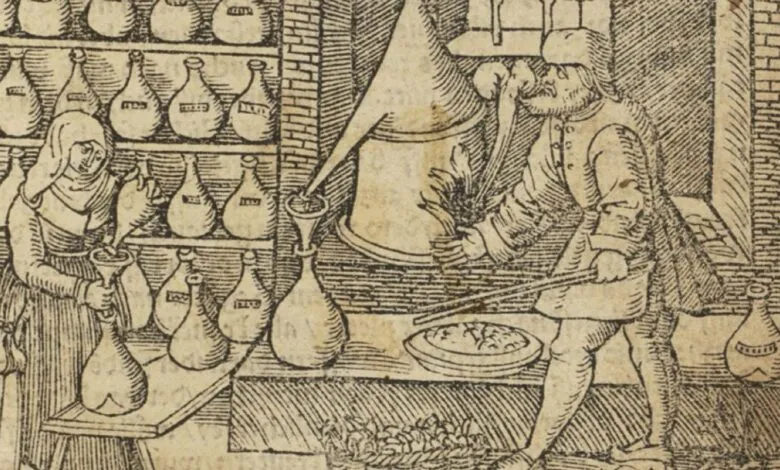
The study of historical manuscripts reveals that people in the 16th century approached home remedies with a surprisingly scientific and experimental mindset, far removed from the superstitious potions of folklore. Popular medical manuals of the era were not just read but actively used by “reader-practitioners” who personalized recipes for ailments like hair loss, toothaches, and kidney stones, leaving behind physical evidence of their tinkering in the form of protein traces from their fingerprints. An interdisciplinary team has now applied advanced proteomic analysis to these Renaissance books, uncovering the first molecular record of this hands-on culture of experimentation. This research merges cutting-edge science with deep archival work to understand how everyday people constructed practical knowledge.
Stefan Hanss, an early modern historian involved in the project, emphasizes that these handwritten and annotated manuscripts are a central feature of Renaissance culture. They contain a vast array of cosmetic, medical, and culinary recipes, often passed down through generations. The margins are filled with scribbled notes from past users, demonstrating that knowledge was not merely theoretical. Experimentation was widespread, representing a significant shift toward valuing hands-on, practical experience in building understanding. This analysis places the scientific findings within their proper historical context, showing a society engaged in do-it-yourself science.
The methodology builds upon a growing field of scientific techniques used to create molecular records from historical artifacts. Over recent decades, researchers have developed various analytical methods to study the cultural environment in which artworks and documents were created. For instance, studying the unique microbial communities, or microbiomes, found on aging art can offer new strategies for preservation. Scientists applied this principle in 2020 by analyzing the microbes on seven Leonardo da Vinci drawings. They used a sophisticated sequencing technology called Nanopore, which employs protein nanopores, combined with a whole-genome amplification process. Their work confirmed that each drawing hosted a distinct microbial ecosystem, illustrating how biological data can be extracted from historical objects.
In this new study, the team applied similar innovative thinking to Renaissance medical texts. By analyzing the trace proteins left by fingerprints, they could directly connect the physical act of using these books with the historical practice of recipe modification. This approach moves beyond simply reading the text to understanding how it was interacted with physically. The proteins serve as a biological signature of the individuals who mixed ingredients, adjusted quantities, and sought solutions to common health problems. This research opens a new window into the daily lives and scientific pursuits of ordinary people from centuries past, highlighting a pragmatic and investigative spirit that challenges modern assumptions about historical medical practices.
(Source: Ars Technica)
