▼ Summary
– The event was a gathering of individuals critical of mainstream pandemic science, featuring applause for vaccine refusal and discussions of alternative COVID-19 theories.
– Organizers anticipated critical media coverage, as evidenced by the denial of entry to reporters from prominent scientific journals *Nature* and *Science*.
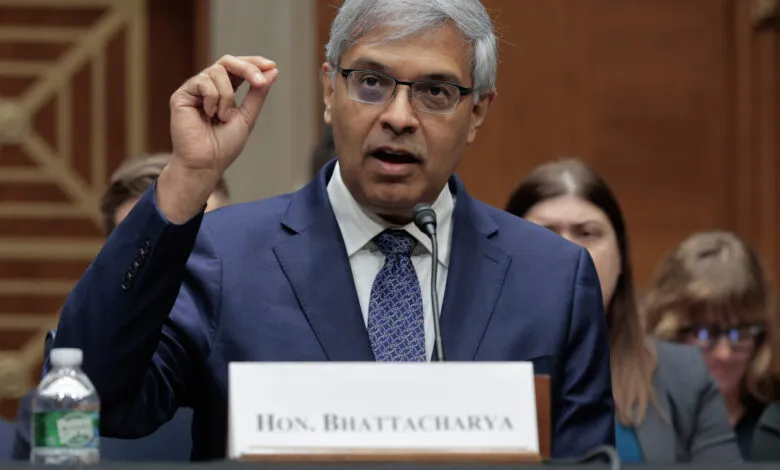
– The speaker, Bhattacharya, framed the event as part of a needed “second scientific revolution” to democratize science and shift authority away from established institutions.
– His proposed revolution centers on making scientific replication and reproducibility, rather than publication volume, the primary metric for validating ideas.
– The movement uses anger over pandemic policies to push for systemic change in science, despite a noted disconnect between their grievances and their proposed reforms.
The recent MAHA Institute event underscored a powerful and growing movement calling for a fundamental transformation in how scientific research is conducted and validated in the United States. This gathering, which attracted a diverse audience skeptical of mainstream pandemic policies, served as a platform for voices demanding a shift away from established scientific authority. The atmosphere was charged with frustration over the COVID-19 response, with discussions veering into topics like vaccine safety and alternative treatments that are often sidelined in conventional scientific forums. Notably, the presence of journalists from major publications was restricted, signaling the organizers’ awareness of potential criticism. At the heart of this event was a bold proposition from a prominent speaker: the need for a second scientific revolution focused on replication and democratization of the scientific process.
The speaker framed the current moment as a critical juncture, drawing a direct parallel to the historical shift that moved scientific authority from ecclesiastical powers to empirical observation. He argued that the COVID-19 pandemic exposed a similar crisis, where high scientific authority was perceived to overreach, dictating not only public health measures but also influencing social and ethical behaviors. The proposed revolution seeks to transfer the “truth-making power” back to a broader community, emphasizing that successful science should be measured by reproducibility and rigorous debate rather than the volume of publications. This vision champions a system where disagreement between scientists is seen as a constructive force for generating new ideas, moving beyond a narrow focus on single studies to foster a more robust and transparent scientific culture.
Throughout the afternoon, the themes of anger and a desire for systemic change were palpable. The audience’s enthusiasm for speakers who rejected mainstream vaccination guidance highlighted a deep-seated distrust in existing institutions. This collective sentiment is being harnessed to fuel a push for overhauling the scientific establishment, even if the proposed solutions, centered on methodological reforms like replication, do not directly address the specific grievances about pandemic policies such as lockdowns or vaccine mandates. For the organizers, this audience represents a suddenly powerful political constituency that shares a common goal of disrupting the status quo, prioritizing the demand for change over strict ideological consistency.
The event itself reflected this unconventional approach. Discussions included speculative questions about vaccines and a satirical film project, elements that would be out of place at a traditional scientific conference. This environment, while contentious, provided a unique space for airing grievances and proposing radical alternatives. The underlying message was clear: a significant segment of the public feels alienated by the scientific mainstream and is rallying behind a call to rebuild the process from the ground up, with a renewed focus on empirical verification and open debate as the true pillars of scientific progress.
(Source: Ars Technica)