Master Your Routine: A Step-by-Step Review
▼ Summary
– Routine is a terrifying horror game that excels at atmospheric, “show-don’t-tell” scares, creating intense sensory immersion and constant tension for the player.
– The game is deliberately hands-off, featuring punishing mechanics like non-pausing menus, manual save points, randomized puzzles, and a complete lack of hints or a HUD.
– It presents a retro-futuristic setting on a derelict lunar resort, where the player uses a clunky, limited tool called the CAT to interact with an environment of old-fashioned technology.
– The primary enemies are unkillable robotic creatures that are more persistently unsettling than clever, as their predictable patterns can eventually lessen the fear factor.
– While the environmental storytelling and intelligent puzzle design are strengths, the game’s relentless difficulty and lack of guidance can shift the experience from frightening to frustrating over its runtime.
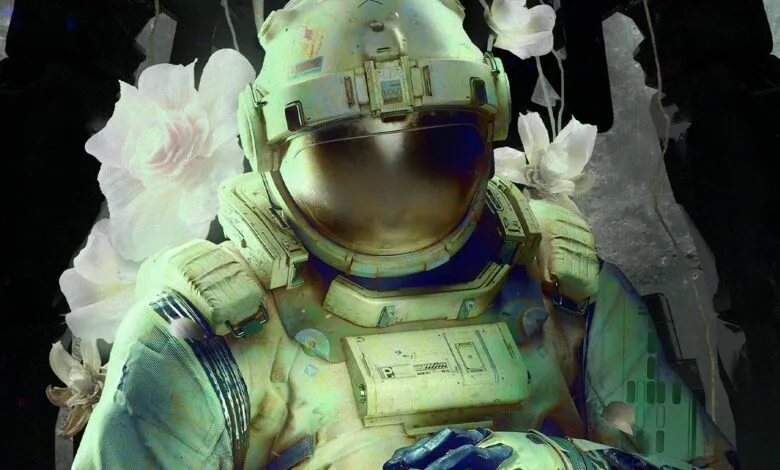
Routine is a masterclass in atmospheric horror that expertly builds dread through its oppressive sound design, punishingly hands-off mechanics, and a retro-futuristic setting that feels both nostalgic and deeply unnerving. This is not a game for the faint of heart. It confidently abandons modern hand-holding conventions, leaving players to fumble in the dark, both literally and figuratively, as they navigate a derelict lunar resort. The experience is as terrifying as it is, at times, frustratingly brilliant.
From the moment you arrive, every sense is pushed to its limit. Your ears constantly strain, parsing distant mechanical groans from the ominous, approaching stomp of something inhuman. Your eyes desperately scan pitch-black corridors for a sliver of safety. The tension is so palpable it becomes a physical sensation, a tightness in your hands from gripping the controller, a heightened awareness that even pausing the game offers no reprieve, the world continues, and you can die while tweaking your audio settings. It’s a ruthless design philosophy that recalls the peak tension of titles like Alien: Isolation.
The game shares significant DNA with that modern classic, particularly in its core premise: you are prey, utterly defenseless against relentless mechanical hunters. The true horror stems from the complete lack of predictability and the inability to fight back. Routine amplifies this fear through deliberate choices: manual save stations that become terrifying objectives, puzzles with randomized solutions to prevent cheating, and creature designs that feel ripped from a primal nightmare. You play as a software engineer sent to investigate a silent lunar outpost, a place that presents a charmingly dated, almost naïve vision of the future. Green CRT monitors, chunky hardware, and 70s-era wallpaper create a stark contrast with the brutal reality of your situation.
Your primary tool is the CAT (Cosmonaut Assistance Tool), a wonderfully clunky device that embodies the game’s philosophy. It’s a multi-function gadget for hacking, scanning, and seeing in the dark, but it operates with tangible, slow physicality. You must slot modules in manually, press buttons to connect to Wi-Fi, and constantly monitor its abysmal battery life. This delightful immersion turns to sheer panic when you must perform these fiddly actions while a distorted humanoid machine, known as a Type-05, hunts you down. The game offers no hints, no glowing items, and no HUD. Your health is a mystery, and checking your CAT’s battery requires you to physically look at the device in your hands.
This commitment to diegetic immersion extends to every interaction. Reading emails on flickering screens is difficult without a zoom function. Logging into systems involves waiting through agonizing dial-up sounds. The story itself is pieced together entirely through these easily missable logs and memos, which can be a double-edged sword. While the environmental storytelling is superb, the overarching narrative can feel fragmented, leaving a few too many questions unanswered by the end.
For all its strengths, Routine’s intensity can wane over its six-hour runtime. The initial terror of the Type-05s can morph into irritation. Their loud footsteps eliminate surprise, and their artificial intelligence is often simplistic, making them easy to evade once you learn their patterns. The lack of a map is punishing for directionally challenged players, and the inability to truly pause becomes a practical nuisance. The manual save system feels novel until a game crash erases progress.
Yet, even when the fear subsides, the game’s intelligent design shines. The puzzles, while occasionally obscure due to the lack of signposting, are largely logical and satisfying to solve, often by creatively using your CAT. The combination of intuitive tools, clever environmental puzzles, and a deeply unsettling soundscape creates a uniquely oppressive experience. It may not provide a perfectly polished story conclusion, and its stubborn adherence to its own brutal rules won’t appeal to everyone. But for those seeking a horror game that truly respects, and weaponizes, player vulnerability, Routine is an unforgettable, nerve-shredding journey.
(Source: IGN)