Life After Spotify: A Surprisingly Bleak Experience

▼ Summary
– The author canceled their Spotify subscription due to an accumulation of ethical and service-related grievances, including the CEO’s stance, poor artist pay, and company layoffs.
– Finding a replacement service was difficult, as every alternative seemed compromised by ownership, longevity, or major gaps in functionality compared to Spotify’s ubiquity.
– After evaluating options like YouTube Music and Qobuz, the author chose Apple Music for its better artist pay, sound quality, and app design, despite some compatibility drawbacks.
– The technical process of transferring their music library was surprisingly easy using a third-party tool, and the move even restored some albums previously pulled from Spotify in protest.
– The author concludes that while this switch is a more palatable choice, streaming itself feels like a flawed, exploitative system, and they feel complicit in prioritizing convenience over directly supporting artists.
Finally making the switch away from Spotify felt like a necessary step, but the search for a viable alternative revealed a surprisingly grim landscape of limited and often unsatisfying choices. My decision to cancel wasn’t sparked by a single event, but by a mounting pile of grievances. The CEO’s controversial statements, the platform’s notoriously poor artist compensation, and a general sense that the company’s values were misaligned with my own all contributed. Yet, inertia is powerful. After nearly fifteen years of streaming, the daunting task of migrating an extensive library of playlists and favorites kept me locked in, remembering the chaotic mess of my last service jump.
That changed last week. Perhaps it was the annual flood of Spotify Wrapped posts that pushed me over the edge. I’ve been making a conscious effort to align my spending with my principles, shifting to renewable energy, moving my finances to ethical institutions, and switching to an electric vehicle. If I could manage those changes, surely I could handle a new music service. Cancelling was straightforward, though a minor complication arose with my daughter, who uses Spotify socially with friends. We settled on an individual account for her; I believe in letting her make her own informed choices as she grows older.
The real challenge began when I had to choose a replacement. My household has diverse needs: different phones (Pixel and iPhone), various listening hubs (desktop, kitchen speaker, car), and varied musical tastes. Our car’s Android Automotive system further narrowed the field of natively supported apps. YouTube Music was our first test, as we already had access through a YouTube Premium subscription. Unfortunately, the experience was instantly disappointing. The app felt clunky and the audio quality was subpar, so it was quickly eliminated.
Consulting guides and crowd-sourced suggestions only highlighted a market full of compromise. Deezer didn’t resonate, Amazon Music was a non-starter, and while Tidal offered better artist pay and high-fidelity sound, its app design and social features didn’t win me over. Every option seemed flawed, either backed by questionable corporate entities, likely to shutter soon, or simply lacking the seamless functionality I’d taken for granted. The situation felt bleak, reducing my quest to finding the least objectionable platform, not the best one.
This led to a radical thought: abandoning streaming altogether. In principle, returning to a personal media server with Bandcamp purchases and physical rips would be the most artist-friendly model. But the modern reality of family life intervened. My wife and son are accustomed to the sheer convenience, the algorithmic recommendations, new release alerts, and instant access. Convincing them to fiddle with a media server or USB drives in the car was a battle I wouldn’t win.
So, I returned to the streaming fray. After weighing factors like price, cross-platform support, family plans, audio quality, and corporate ethics, two services emerged as finalists: Apple Music and Qobuz. Qobuz was admirable on paper, with a clear commitment to artists and superior payouts, but its premium tier was prohibitively expensive in Australian dollars, and the mobile app experience was lacking.
That left Apple Music. The drawbacks gave me pause: my ecosystem is Google-centric, there’s no native car integration, and Apple’s own leadership has its controversies. However, the benefits were compelling. Apple pays artists roughly double the rate of Spotify, provides excellent high-resolution audio formats, and its app design is exceptionally polished and intuitive. I decided to try it, setting up a family plan and using a transfer tool called Soundiiz to migrate my entire Spotify library in minutes for a small fee. The process was seamless, even restoring a couple of favorite albums that had been previously removed from Spotify in protest.
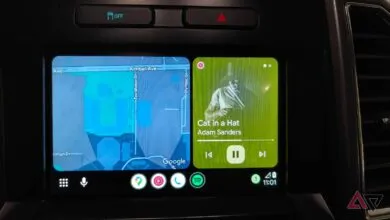
The result has been largely positive. Lossless audio sounds phenomenal in the car via Android Auto, and the apps are a pleasure to use, clean, reliable, and focused on music. Yet, a lingering dissatisfaction remains. My move to Apple Music feels like a temporary fix, a slightly more palatable choice within a broken system. I know that truly supporting the artists I love means returning to directly purchasing their music. But the addictive ease of streaming, with its endless catalogs and personalized playlists, is a hard habit to break. For now, I’ve found a better port in the storm, but I remain uncomfortably aware that I’m still part of the broader problem.
(Source: Afetrmath)