Hyrule Warriors: Age of Imprisonment Completes Tears of the Kingdom’s Story
▼ Summary
– Hyrule Warriors: Age of Imprisonment is a hack-and-slash game that tells Princess Zelda’s side of the story from Tears of the Kingdom, featuring multiple playable characters from Hyrule’s past.
– The game’s combat combines light and heavy attacks with item abilities and sync strikes, creating simple but engaging depth beyond typical button-mashing musou games.
– Age of Imprisonment successfully adapts Tears of the Kingdom elements like Zonai devices and weapon fusion into its gameplay, making the crossover feel authentic to the Zelda universe.
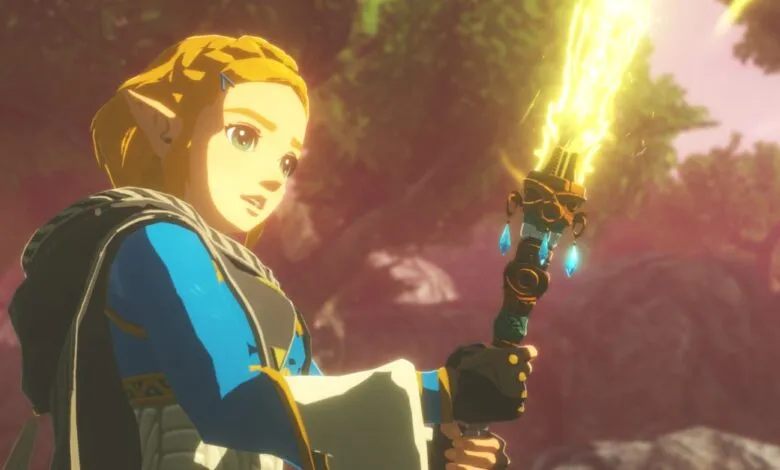
– The game addresses Tears of the Kingdom’s underutilization of Zelda by making her an active protagonist who develops her powers and participates directly in the action.
– While the game features a cluttered map interface with excessive progression icons, it provides substantial character development for Zelda’s allies and expands the world’s lore.
While The Legend of Zelda: Tears of the Kingdom offers a massive adventure, it leaves narrative threads dangling that its companion piece, Hyrule Warriors: Age of Imprisonment, satisfyingly ties up. This hack-and-slash experience fills crucial gaps, focusing on Princess Zelda’s journey and the ancient sages during the Imprisoning War era. Players command a roster of characters, including King Rauru, Mineru, and Zelda herself, battling across dynamic maps to reclaim territory from enemy forces.
The combat system layers simple mechanics into a surprisingly engaging loop. Stringing together light and heavy attacks forms combos, which can be enhanced with item abilities and special moves. A standout feature is the sync strike, a devastating team-up attack unique to each character pairing. Success demands strategic thinking; you must manage cooldowns, build special meters for your entire team by swapping characters, and deploy powerful abilities at the right moment to counter enemy attacks. It’s not overly complex, but it provides enough tactical depth to remain compelling.
However, the game’s mission map is a significant point of frustration. Cluttered with countless glowing icons for every minor character upgrade, it feels overwhelming and tedious. Unlike the meaningful points of interest in Breath of the Wild or Tears of the Kingdom, many of these markers represent simple resource exchanges that feel more like checking off a shopping list than embarking on a quest.
Where the game truly excels is in its faithful adaptation of Tears of the Kingdom‘s elements into the musou format. Characters utilize Zonai devices in combat, from explosive bombs to the surprisingly useful hydrant for clearing hazardous muck. Familiar activities like hunting for Koroks and fusing monster parts to weapons are seamlessly integrated, making the world feel cohesive. This careful attention ensures the game doesn’t feel like a shallow reskin but a genuine part of the Zelda universe.
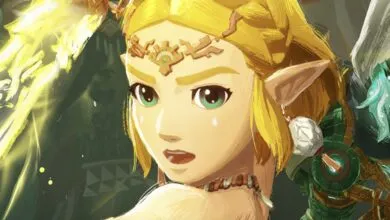
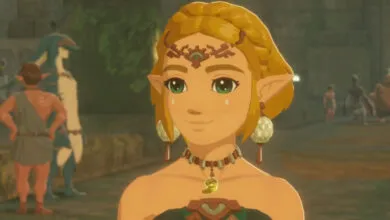
The narrative is arguably the game’s greatest strength, finally giving Princess Zelda the agency she lacked in Tears of the Kingdom. Instead of being a plot device, she is an active protagonist who fights, fails, and grows into her powers. The story also richly develops its supporting cast, showcasing the bond between King Rauru and Queen Sonia and giving memorable roles to characters like the adventurous Korok, Calamo. This deepens the lore of Hyrule by highlighting the lives and contributions of its ancient inhabitants.
Ultimately, Hyrule Warriors: Age of Imprisonment serves as an essential narrative companion to Tears of the Kingdom. It offers a different style of gameplay that, while not for everyone, provides a familiar yet fresh experience for fans. With its engaging combat, meaningful story additions, and a release scheduled for November 6th on the Nintendo Switch 2, it is a worthwhile adventure for those invested in this era of Hyrule’s history.
(Source: The Verge)