Metal Gear Solid Delta: Modern Graphics, Old-School Frustrations
▼ Summary
– Metal Gear Solid Delta: Snake Eater is a modern remake of MGS3 that uses the same levels, cutscenes, and voice lines as the original.
– Despite incredible visuals, it is not a complete overhaul but rather an almost shot-for-shot remake that retains the original’s dated mechanics and frustrations.
– The game features complex systems like healing and camouflage that feel unintuitive and often leave the player feeling unprepared and helpless.
– Snake controls perfectly with responsive movement and David Hayter’s iconic voice performance, but the level design feels small and disjointed with frequent loading screens.
– The convoluted Cold War story involving political espionage and nuclear threats remains a highlight, though the overall experience may frustrate players without nostalgia for the original.
Metal Gear Solid Delta: Snake Eater presents a visually stunning return to one of gaming’s most celebrated stealth adventures, yet it remains a faithful, and at times frustrating, recreation of a classic. For longtime fans of the series, this remake offers a chance to revisit the origins of Naked Snake with breathtaking modern graphics, but it also preserves many of the original game’s dated mechanics and design quirks.
From the outset, it’s clear that Delta is not a reimagining along the lines of recent genre-defining remakes. Instead, it sticks closely to the structure, dialogue, and level design of the 2004 classic. That means players step into the boots of a less-experienced Snake, ill-equipped for the dangers of the jungle and the complexities of covert operations. While this fits the narrative, it often translates to a feeling of helplessness that can test the patience of even seasoned players.
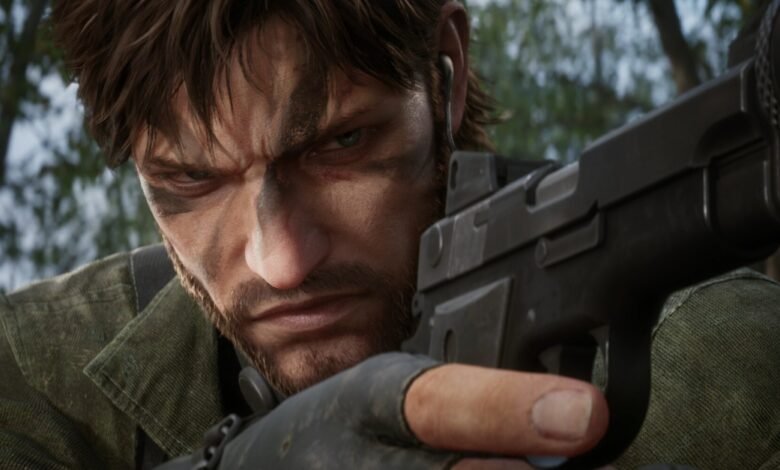
The game looks phenomenal, with lush environments and detailed character models that breathe new life into the Cold War-era story. However, these impressive visuals sometimes clash with the disjointed level design. Frequent loading screens break the immersion, reminding you that you’re navigating a series of small, segmented areas rather than a seamless world. This structure felt restrictive and at odds with the otherwise immersive presentation.
Gameplay mechanics further contribute to the sense of friction. Healing, for instance, involves a detailed but confusing system where you treat specific injuries like fractures or leeches, yet it’s never entirely clear how to restore Snake’s overall health. Melee combat feels inconsistent, capable in some moments, utterly useless in others. Early sections are particularly punishing, with hidden landmines, poorly telegraphed enemy placements, and boss encounters that demand trial-and-error repetition.
That said, controlling Snake feels responsive and precise, reminiscent of the fluid movement in Metal Gear Solid V: The Phantom Pain. David Hayter’s iconic voice performance returns, delivering lines with the perfect blend of gravelly intensity and theatrical charm that fans adore. His portrayal walks the fine line between campy action-hero bravado and genuine gravitas.
As the game progresses, Snake gains access to a wider array of gadgets, from camouflage suits to bizarre tools like a crocodile head disguise. Figuring out how and when to use these items is part of the experience, though it doesn’t always feel intuitive. In one instance, wearing the crocodile helmet resulted in immediate detection, undermining the intended stealth approach. In another, missing a key item like a mine detector earlier in the game made certain areas nearly impassable.
Enemy visibility is another hurdle. Without thermal goggles, spotting foes in dense foliage can be nearly impossible. The camouflage system helps significantly, allowing Snake to blend into his surroundings when stationary, but movement often breaks the illusion. The game encourages slow, deliberate pacing, treating each area like a puzzle to solve rather than an open playground for experimentation.
Where Delta truly shines is in its storytelling. The narrative is a convoluted, twist-filled ride through Cold War paranoia, filled with betrayals, philosophical musings, and over-the-top set pieces. It’s a signature Hideo Kojima experience, and it’s refreshing to see his creative influence acknowledged in the credits despite his departure from Konami.
For players without nostalgic attachment to the original, Metal Gear Solid Delta can be a tough sell. Its gorgeous presentation and engrossing story are undermined by mechanics that feel rooted in an earlier era of game design. While there’s undeniable charm and depth here, the experience often left me feeling more exasperated than exhilarated, longing for the freedom and polish of later entries in the series.
Metal Gear Solid Delta: Snake Eater arrives on August 28 for PC, PlayStation 5, and Xbox Series X|S.
(Source: The Verge)