Drag X Drive: In-Depth Review & Performance Analysis
▼ Summary
– Drag x Drive is a unique Nintendo Switch 2 game featuring wheelchair basketball, controlled primarily through Joy-Con 2’s motion and mouse-mode mechanics.
– The gameplay is innovative and skill-based but has a steep learning curve due to its demanding physical controls, which may deter some players.
– While the core gameplay is polished and engaging, the game lacks variety in content, with minimal unlockables and a bland, uninspired environment.
– The controls work best on a flat surface, requiring specific conditions (like smooth pants or a desk) for optimal responsiveness, adding an extra layer of setup complexity.
– Despite its creative mechanics, the game falls short in accessibility and personality, missing opportunities for deeper customization, varied courts, or inclusive control options.
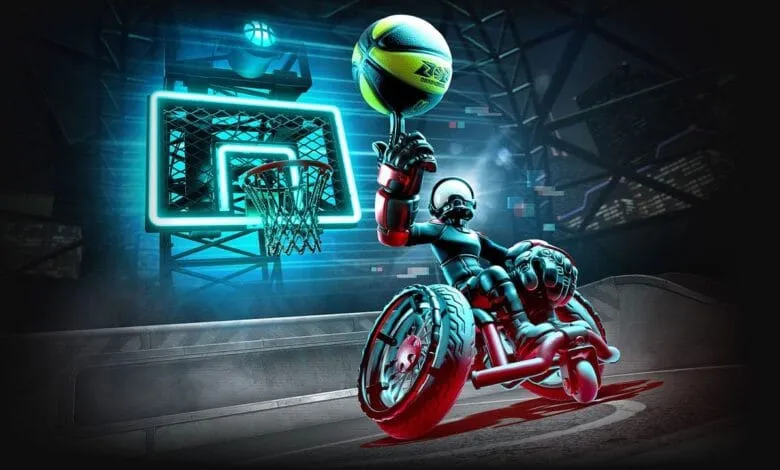
Nintendo’s Drag X Drive reinvents motion-controlled sports with a bold twist on wheelchair basketball, blending high-energy gameplay with Joy-Con 2’s unique mouse mode. While the concept feels fresh and surprisingly deep, the experience suffers from limited content and a lack of personality, something unusual for a Nintendo title.
At its core, Drag X Drive is built around the Joy-Con 2’s motion and mouse controls, requiring players to physically slide the controllers to maneuver their wheelchair-bound athlete. Each controller corresponds to an arm, letting you push wheels forward, flick shots, or signal passes with wrist movements. It’s a far cry from the simplicity of Wii Sports, demanding precision and endurance. If motion controls aren’t your thing, this game won’t change your mind, but for those willing to adapt, there’s a rewarding skill ceiling to master.
The first hour can feel awkward. Unlike traditional sports games, Drag X Drive doesn’t automate movement, forcing players to learn an entirely new way of interacting with a controller. Early frustrations, like struggling to defend or missing shots, highlight the steep learning curve. But persistence pays off. Once the mechanics click, gliding across the court, stealing the ball, and pulling off mid-air dunks after launching off ramps becomes exhilarating. The haptic feedback adds weight to every movement, making successful plays feel tactile and satisfying.
Performance hinges on your setup. The game works best on a smooth, flat surface, jeans and wrinkled fabrics can disrupt motion tracking. Playing at a desk with ample space yielded the most consistent results, though the idea of repeatedly slamming pricey Joy-Cons onto hard surfaces might make some players wince. Nintendo suggests using your legs as an alternative, but results vary wildly depending on clothing.
Where Drag X Drive truly shines is in its competitive multiplayer. Online three-on-three matches are intense, with tight mechanics that replicate the adrenaline of real pickup games. Coordinating with teammates, blocking shots, and executing last-second buzzer beaters deliver standout moments. Offline bots are competent but lack the unpredictability of human opponents, making online play the definitive way to experience the game.
Unfortunately, the package feels barebones outside the core matches. The lone arena, dubbed “The Park,” is visually bland, gray concrete and generic backgrounds sap any sense of personality. A handful of time-based challenges (like obstacle courses or jump rope trials) offer brief distractions, but they’re shallow and quickly exhausted. The sole unlockables, helmets with minor cosmetic tweaks, fail to incentivize long-term play.
Accessibility is another missed opportunity. For a game inspired by wheelchair basketball, the lack of control alternatives feels ironic. Motion inputs are mandatory, and customization options are sparse, limiting the audience. A more robust single-player progression system or varied courts could have added much-needed depth.
Drag X Drive is a fascinating experiment with flashes of brilliance, but it’s held back by its lack of content and uninspired presentation. While the gameplay hooks hardcore motion-control enthusiasts, most players will find little reason to stick around after the novelty wears off. It’s a rare case where Nintendo’s creativity feels half-baked, fun in short bursts, but not enough to keep you coming back.
(Source: IGN)