MacBook Neo Gaming Test: 10 Games Benchmarked by Andrew Tsai
▼ Summary
– The MacBook Neo, Apple’s new low-cost computer with an A18 Pro chip, performed better than expected for general productivity tasks.
– For gaming, its performance was tested across 10 titles and Switch emulation, with its 8GB of unified memory being the primary limiting factor.
– Native macOS games ran better than Windows games using translation layers, with performance heavily dependent on each game’s memory intensity.
– Results varied significantly, from Cyberpunk 2077 only being playable at low settings and 720p to Counter-Strike 2 being unplayable through translation.
– The review provides valuable insights into the MacBook Neo’s current and potential future role for Mac-based gaming, despite its mixed results.
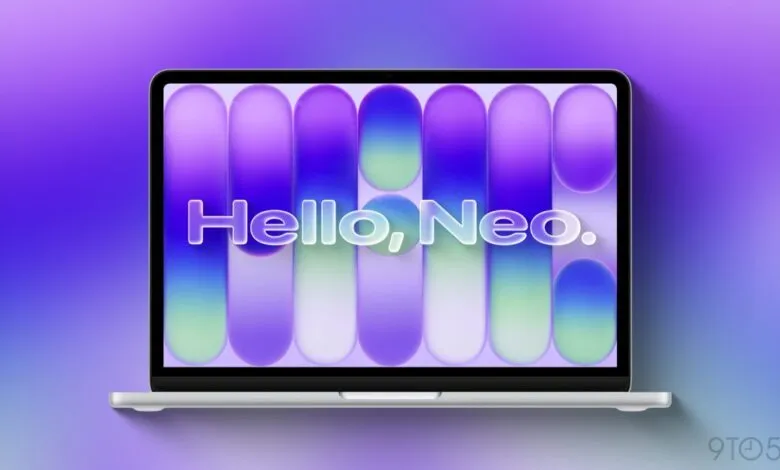
The question of whether the new, affordable MacBook Neo can handle modern gaming is a pressing one for many potential buyers. Andrew Tsai set out to answer this by putting the device through a rigorous test, benchmarking ten diverse games ranging from native macOS titles to Windows games running through translation layers and even Switch emulation. The results provide a clear picture of the system’s capabilities and limitations for players.
Initial reviews of the MacBook Neo, powered by the A18 Pro chip with a 6-core CPU, 5-core GPU, and 8GB of unified memory, showed it exceeding expectations for general productivity. Gaming, however, presents a unique challenge. Despite Apple’s ongoing efforts to court gamers, the platform has historically faced hurdles. To see how this new entry-level model fares, Tsai tested a 512GB configuration across a specific suite of games.
The tested games included Cyberpunk 2077, Minecraft, World of Warcraft, Control, Resident Evil Requiem, Resident Evil 2 (remake), Counter-Strike 2, Elden Ring, Dark Souls Remastered, and Mewgenics. Overall, the MacBook Neo demonstrated more competence than many might assume, though its 8 GB of unified memory consistently emerged as the primary bottleneck. Performance was highly dependent on whether a game was native to macOS and how demanding it was on system resources.
Native games generally ran well. For example, Minecraft delivered between 50 and 300 frames per second at 1080p resolution, varying with graphical presets. In contrast, a demanding title like Cyberpunk 2077 was only playable with all settings at their absolute lowest and the resolution reduced to 720p. The experience with Windows games running through translation layers like Apple’s Game Porting Toolkit was a mixed bag. Performance varied dramatically from title to title.
Some games, such as the 2D title Mewgenics running through OpenGL, operated nearly flawlessly. Others, like the popular shooter Counter-Strike 2, were reported as completely unplayable under the test conditions. This inconsistency highlights the current state of game compatibility on the platform, where success depends heavily on the specific game’s engine and API support.
For anyone interested in gaming on a Mac, especially considering this more accessible hardware, Tsai’s full video analysis is highly recommended. It offers valuable insights that go beyond simple benchmarks, exploring what the MacBook Neo’s performance means for the Mac gaming community both immediately and looking toward the future. The detailed look at real-world gameplay across such a varied list of titles provides a practical guide for setting expectations.
(Source: 9to5Mac)