How Nintendo’s Super Console Revolutionized Global Gaming
▼ Summary
– The book “Super Nintendo” is a comprehensive and passionate exploration of Nintendo’s history and cultural impact, compiled from extensive interviews with key company creatives.
– It is structured thematically, using specific games like Donkey Kong and Animal Crossing as case studies to illustrate broader company philosophies and industry trends.
– A significant strength is its balance of micro-level development anecdotes with macro-level analysis, offering personal insights into figures like Satoru Iwata alongside commercial history.
– The narrative is built on a wealth of firsthand interviews and research, providing rare behind-the-scenes glimpses into the company’s creative processes and pre-launch perceptions.
– The central thesis is that Nintendo’s enduring appeal lies in its unique sense of fun and its deep connection to the human instinct to play.
For anyone fascinated by the history of video games, understanding Nintendo’s unique philosophy is essential. The company’s journey from a humble playing card manufacturer to a global entertainment titan is a story of creativity, risk, and an unwavering commitment to fun. A new book delves deep into this legacy, promising even the most dedicated fans fresh insights and untold stories from within the iconic Kyoto headquarters.
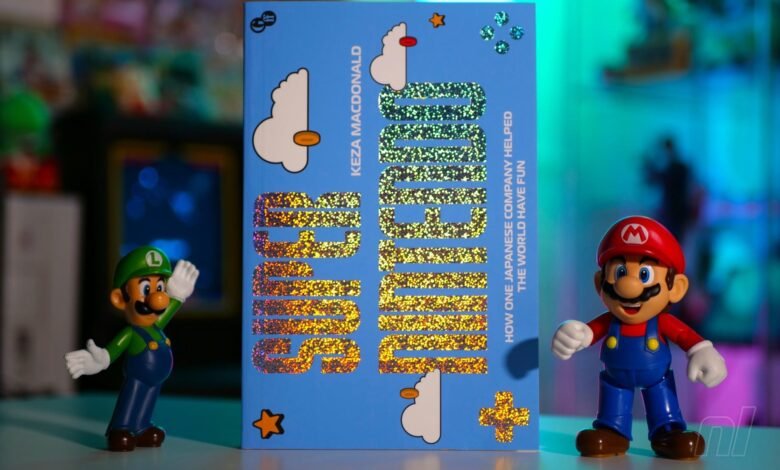
The work in question, Super Nintendo: How One Japanese Company Helped the World Have Fun, lives up to its ambitious promise. Authored by Keza MacDonald, a respected voice in games journalism, the book offers a compelling portrait of the company that shaped modern play. It skillfully weaves together extensive interviews with Nintendo’s legendary creators to explain how beloved franchises were born and why they resonate so powerfully across cultures. The result is a comprehensive yet highly readable exploration that balances deep knowledge with genuine passion.
Rather than presenting a strict chronological history, the narrative takes a thematic approach. It begins with Nintendo’s early days in toys and concludes with modern innovations, using specific games as lenses to examine broader corporate philosophies. A chapter on Donkey Kong explores the formative design processes of a then-unknown artist named Shigeru Miyamoto. A section on Metroid provides a thoughtful analysis of gender representation in gaming. The story of Animal Crossing serves as a perfect case study in Nintendo’s patience, highlighting its tendency to nurture ideas until audiences discover them.
The book presents a nuanced view of the company, covering both monumental successes like Wii Sports and more experimental ventures like LABO. It frames Nintendo not as an entity disconnected from industry trends, but as one perpetually focused on its own distinctive vision for the future, even when that future involves a piano made of cardboard. This balance between intimate development details and the bigger cultural picture is one of the book’s great strengths.
Where it truly excels, however, is in highlighting the profound human element behind the pixels. A chapter centered on Kirby becomes a moving tribute to the late Satoru Iwata. It paints a portrait of the man as a corporate president, a brilliant programmer, and, above all, a gamer at heart. By weaving together recollections from colleagues like Miyamoto and Shigesato Itoi, the narrative honors Iwata’s personal impact, closing with memories of shared meals rather than sales charts. This focus on people over products creates a deeply resonant connection.
MacDonald builds her account on a formidable foundation of interviews, both original and compiled from other sources. The prose stitches these diverse perspectives into a cohesive whole, giving readers the thrilling sense of peeking behind the curtain at the wizards at work. You’ll find fascinating nuggets about the inner workings, such as veteran developer Shinya Takahashi’s initial skepticism about the Switch’s hybrid concept, which only faded when he physically slid a prototype from its dock.
Familiar tales are refreshed with new context, like Miyamoto’s childhood explorations inspiring The Legend of Zelda, while lesser-known anecdotes surface, such as Yoshiaki Koizumi designing Super Mario Sunshine’s watery vibe from memories of childhood summers by the sea. While some stories may be known to ardent followers, the collection here is remarkably thorough and thoughtfully curated.
Ultimately, the book serves as a deeply satisfying chronicle of a company in constant evolution. Its central, compelling argument is that Nintendo’s enduring magic lies in its pure, infectious sense of fun and its deep understanding of play. This focus, above all else, continues to define its unique and appealing place in the world.
(Source: Nintendo Life)