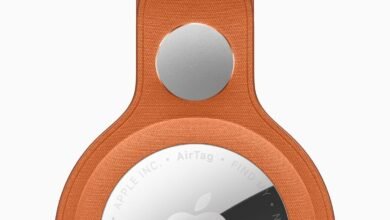
AirTag 2 vs. AirTag: All the Key Differences

▼ Summary
– The AirTag 2 features a new Ultra Wideband chip, extending the Precision Finding range by 1.5x and adding support for compatible Apple Watch models.
– It includes an upgraded Bluetooth chip for better locating range, though the exact improvement is not specified by Apple.
– The device has a speaker that is up to 50% louder, making it audible from roughly twice the distance of the original.
– New privacy protections are introduced, such as cross-platform alerts and frequently changing Bluetooth identifiers, to combat unwanted tracking.
– Key aspects like battery life, design, size, and price remain unchanged from the first-generation AirTag.
Apple’s long-awaited second-generation AirTag arrives with meaningful upgrades to its tracking capabilities and privacy safeguards. While the core mission remains the same, helping you locate misplaced items, several key enhancements make the new model a more powerful and secure tool. The most significant improvements focus on extending the physical range at which you can find your belongings and introducing new measures to prevent misuse.
A major leap forward comes from the new Ultra Wideband chip inside the AirTag 2. This second-generation hardware significantly boosts the effective range of the Precision Finding feature. With a compatible iPhone, you can now initiate a precise search from up to one and a half times farther away compared to the original AirTag. This expanded window makes locating a lost bag in a large park or a crowded venue considerably easier. Furthermore, Apple has extended Precision Finding support to compatible Apple Watch models, a functionality not available with the first-generation tracker. This provides a convenient wrist-based option for pinpointing your items.
Beyond Ultra Wideband, Apple has also upgraded the Bluetooth hardware. The company states the new chip expands the general Bluetooth tracking range, though specific distance figures are not provided. This should improve the initial “last seen” location accuracy in the Find My app before you get close enough for Precision Finding to engage. Another practical upgrade is the integrated speaker. Apple claims the speaker in the AirTag 2 is up to fifty percent louder, and the sound can be heard from roughly twice the distance. For anyone who has struggled to hear the faint ping of a first-generation tag buried in a couch or under a car seat, this improvement alone could justify an upgrade.
Privacy was a critical area for refinement. Following concerns about the original AirTags being misused for unwanted tracking, Apple has built new safeguards directly into the AirTag 2. The device incorporates what Apple calls a suite of industry-first protections against unwanted tracking. These include cross-platform alert systems that can notify Android users if an unknown AirTag is moving with them, and the use of unique Bluetooth identifiers that change frequently to enhance user anonymity. These features are designed to reinforce that the product is intended solely for tracking personal items, not people or pets.
Despite these advancements, several fundamental aspects remain unchanged. Battery life is quoted identically at “more than a year” on a standard user-replaceable coin cell battery. The physical design, size, and weight are virtually identical to the previous model, which is excellent news for accessory compatibility. All existing AirTag holders, keyrings, and mounts will work seamlessly with the new version. The pricing structure also remains consistent with the first-generation model at launch. This continuity means users can upgrade their tracking technology without reinvesting in a new ecosystem of cases and holders.
(Source: 9to5Mac)