▼ Summary
– LED face masks are based on legitimate red/infrared light therapy science, but the at-home market is an unregulated “wild west” with many ineffective or misleading products.
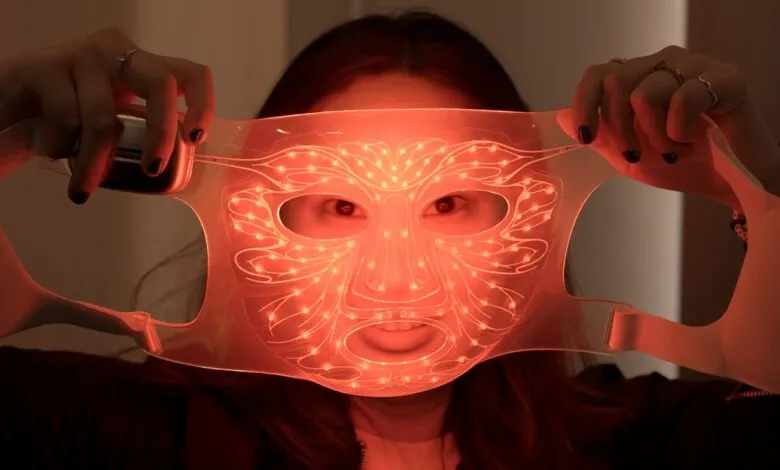
– L’Oréal’s new mask is designed to be wearable and comfortable, using a thin, flexible sheet-mask inspired material that sits directly on the skin.
– Unlike many masks, L’Oréal’s device uses specific, clinically-backed wavelengths (630nm and 830nm) developed with a science partner, iSmart, which has 20 years of research.
– The company is pursuing FDA 510(k) clearance for the mask, a process that verifies safety and legitimate marketing claims rather than just “wellness” hype.
– The mask is not yet available for purchase (planned for 2027), and while it shows promising design and scientific criteria, a personal endorsement requires future testing and known pricing.
Navigating the world of at-home LED light therapy can feel overwhelming, with a market flooded by confusing claims and questionable devices. L’Oréal’s new LED face mask, however, presents a compelling and scientifically grounded alternative that directly addresses common user frustrations. By focusing on wearability, clinical partnerships, and regulatory diligence, this upcoming device aims to cut through the noise of the wellness industry.
A primary issue with many current masks is their impractical design. They are often bulky, rigid, and uncomfortable, resembling something from a low-budget horror film rather than a sophisticated skincare tool. L’Oréal’s approach is fundamentally different, drawing inspiration from the familiar sheet mask. The prototype is constructed from a lightweight, thin, and flexible material that conforms directly to the skin. This intimate contact is not just for comfort; it is believed to enhance light penetration for potentially better results. The design includes a full-face version and smaller, targeted eye masks, integrating into existing beauty routines rather than demanding an entirely new step.
Treatment time is another significant advantage. While many devices require sessions of ten to twenty minutes, L’Oréal’s mask is designed for brief five to ten-minute applications. This efficiency could make consistent use far more achievable for busy individuals. The flexible nature of the material also opens future possibilities for treating other hard-to-reach areas like the neck and décolletage.
Beyond comfort, the science behind the wavelengths is critical. The market is rife with masks boasting multiple colors, but evidence for their efficacy is often lacking. L’Oréal has partnered with the startup iSmart, known for its work with the clinically-backed Omnilux mask. This collaboration ensures the device delivers two specific, researched wavelengths: 630nm (red light) and 830nm (near-infrared). iSmart brings two decades of peer-reviewed research to the table, providing a foundation of clinical credibility that is rare in the consumer wellness space.
The potential for this technology to work synergistically with topical products is a common question. Company representatives explain that not all skincare formulas are activated by light. L’Oréal’s in-house labs are actively researching which specific molecules respond to their chosen wavelengths, with the goal of developing complementary serums or moisturizers. While the mask’s skin-contact design may aid in the absorption of any product applied beneath it, that specific interaction requires further study.
Perhaps most telling of L’Oréal’s serious intent is its pursuit of FDA 510(k) clearance for the mask. This regulatory pathway, while not a guarantee of superior results, verifies the product’s safety and ensures its marketing claims are substantiated. The process is lengthy and costly, signaling a commitment to legitimate medical device standards over vague “wellness” positioning.
It is too early for a definitive endorsement, as the mask is a prototype not expected to launch until 2027, pending FDA review and with pricing yet to be announced. However, for consumers wary of the current market, L’Oréal’s prototype demonstrates the key criteria for a trustworthy device: wearable design, transparent clinical partnerships, specific wavelength targeting, and a commitment to regulatory oversight.
(Source: The Verge)