Apple Watch AFib Detection: New Study Reveals Accuracy
▼ Summary
– New research indicates the Apple Watch is highly effective at detecting atrial fibrillation (AFib), catching significantly more cases than traditional monitoring methods.
– In a six-month study of 437 high-risk individuals, 21 people in the Apple Watch group were diagnosed with AFib, compared to only 5 in the standard-care group.
– A key finding was that 57% of the AFib cases detected by the Apple Watch were in people who had no symptoms and were otherwise unaware of their condition.
– The study suggests the device’s continuous monitoring is crucial for catching intermittent, asymptomatic AFib that short-term methods often miss.
– Researchers conclude this smartwatch-based approach could expedite diagnosis, potentially reduce stroke risk, and lower healthcare costs, offsetting the device’s initial price.
Recent research provides compelling evidence that wearable technology, specifically the Apple Watch, can significantly enhance the detection of atrial fibrillation (AFib) in at-risk populations. A new peer-reviewed study demonstrates that continuous monitoring via a smartwatch identified substantially more cases than conventional methods, often catching the condition in individuals who exhibited no symptoms whatsoever. This finding underscores the device’s potential to transform early cardiac screening and stroke prevention.
The study, conducted over six months by Amsterdam UMC, involved 437 participants aged 65 and older who were considered at elevated risk for stroke. Researchers divided the group, providing 219 participants with an Apple Watch to wear for approximately twelve hours daily. The remaining 218 individuals received standard medical care, which typically involves symptom reporting and periodic check-ups.
The results revealed a striking difference between the two groups. In the Apple Watch cohort, twenty-one people were diagnosed with atrial fibrillation. Notably, more than half of these individuals, specifically 57 percent, reported experiencing no symptoms at all. In contrast, only five people in the standard-care group received an AFib diagnosis, and every one of them had noticeable symptoms prompting medical evaluation.
This data highlights a critical advantage of wearable technology. Atrial fibrillation is frequently intermittent and can occur without any obvious signs, making it easy to miss during brief clinical assessments. The Apple Watch’s ability to perform continuous, passive monitoring means it can detect irregular heart rhythms that might otherwise go unnoticed until a serious complication, like a stroke, occurs. For people who feel perfectly healthy, this technology provides a crucial early warning system.
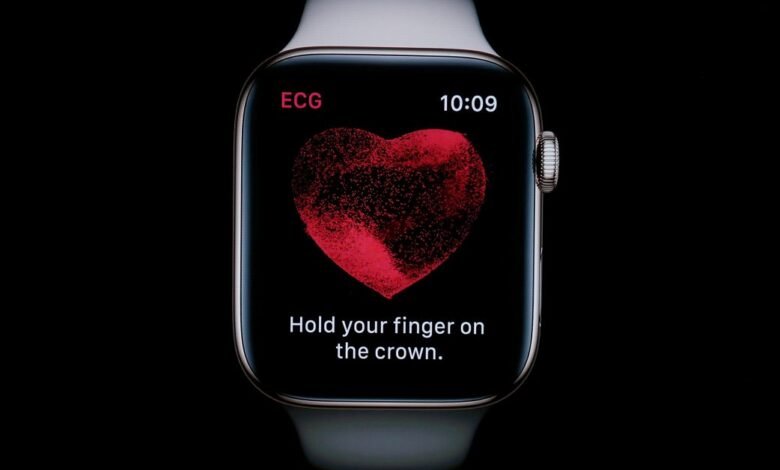
Cardiologist Michiel Winter from Amsterdam UMC emphasized the clinical implications. He noted that smartwatches equipped with photoplethysmography (PPG) and electrocardiogram (ECG) functions assist physicians in diagnosing arrhythmias in unaware patients, speeding up the entire diagnostic pathway. The potential to reduce stroke risk is a major benefit, offering advantages for patient health and the broader healthcare system through possible cost savings that could offset the initial price of the device.
The integration of this technology into daily life represents a shift toward more proactive and personalized health management. While traditional methods rely on symptomatic presentation, wearable devices offer a constant vigilance that can identify silent but dangerous conditions. This study adds to a growing collection of real-world accounts where the Apple Watch has provided life-saving alerts, reinforcing its role not just as a consumer gadget but as a legitimate tool in preventive cardiology.
(Source: 9to5Mac)