Xbox Ally Hints at Next-Gen First-Party Focus

▼ Summary
– Xbox has confirmed it is not leaving the console business and will release a new first-party Xbox console, easing fan concerns.
– The next Xbox console’s release date is undecided, but based on past cycles, it could launch around 2027 or 2028.
– The new Xbox may be a hybrid device, inspired by partnerships like the ROG Ally, focusing on seamless integration across all devices.
– Microsoft’s CFO has set a 30% profit margin target for Xbox, leading to cost-cutting measures and multi-platform releases to boost revenue.
– Xbox aims to redefine next-gen gaming with a premium, high-end device that emphasizes cross-device play and integration, though pricing and profitability remain challenges.
Navigating a challenging period marked by fan concerns over pricing and studio changes, Xbox leadership is now offering a clearer picture of its future hardware ambitions. In a recent discussion with Famitsu, Phil Spencer, Microsoft’s Executive Vice President of Gaming, directly addressed speculation about the company’s commitment to the console market. He firmly stated that the next Xbox will be a first-party Microsoft product, effectively dismissing rumors that Microsoft might exit the hardware business entirely. This confirmation follows earlier comments from Xbox President Sarah Bond, who described the forthcoming device as a “very premium, very high-end curated experience.”
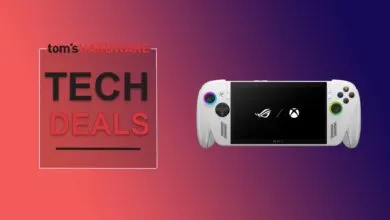
While a specific release date remains undecided, industry patterns suggest a potential launch window around 2027 or 2028. Spencer pointed to the recently announced ROG Xbox Ally, a handheld device developed with ASUS, as a significant indicator of the company’s strategic direction. He emphasized that this collaboration offers a glimpse into how the Xbox software platform is set to evolve, focusing on creating a unified experience that connects all devices. This strongly implies that the next-generation Xbox could function as a hybrid device, potentially running an Xbox environment on a Windows foundation. Such a move would align perfectly with the brand’s established “play anywhere” philosophy, allowing gamers to access their entire library, progress, and saves seamlessly across different hardware.
This renewed focus on a premium, integrated hardware experience unfolds against a backdrop of significant financial pressure. A recent report revealed that Microsoft’s CFO, Amy Hood, has set an internal target for the Xbox division to achieve a 30% profit margin, a figure considered exceptionally high for the gaming industry. To reach this ambitious goal, the company appears to be pursuing a dual strategy of cost reduction and revenue increase. This financial reality helps explain recent decisions, including price adjustments for the Game Pass subscription service, the potential for higher game prices, a series of studio closures, and a greater emphasis on releasing first-party titles on competing platforms like PlayStation. These multi-platform releases represent a straightforward way to generate additional revenue and help balance the books.
For the Xbox community, the statements from Bond and Spencer suggest a deliberate effort to redefine the concept of a generational leap. The vision centers on deep integration, superior design quality, and flawless cross-device functionality. It’s a bold strategy that could see Microsoft offering a true high-end console while partnering with other manufacturers to provide more budget-friendly alternatives. However, the drive for profitability introduces a critical variable. There is a genuine possibility that the next Xbox console will be sold at a profit from the outset, a departure from the traditional model of selling hardware at a loss to be recouped through software sales. This could be especially pertinent if the device supports alternative storefronts like Steam, which would divert a portion of game sales revenue away from Microsoft.
If the company can deliver a machine with powerful specifications and a price tag that remains under a thousand dollars, it could present a compelling value proposition. For many gamers, upgrading an aging PC to a modern standard can easily exceed that cost, making a capable hybrid Xbox an attractive alternative. This upcoming launch feels like a pivotal moment for the brand, one that will test its ability to balance premium aspirations with financial demands and player expectations. For those who remain invested in the ecosystem, the future is being watched with a cautious but hopeful eye.
(Source: Windows Central)