Bored Ape Yacht Club Stages Metaverse Comeback
▼ Summary
– The author describes exploring the Bored Ape Yacht Club’s virtual swamp in Otherside but found it empty with limited interactivity and inaccessible areas.
– Yuga Labs is launching its metaverse, Otherside, on November 12th, aiming to create an ambitious, interoperable, and decentralized virtual world with crypto integration.
– Otherside allows users to log in with or without NFTs, using crypto wallets or traditional methods, and features NFT avatars, land, and blockchain currency while enabling user-created experiences.
– The platform includes partnerships for avatars, such as a collection from artist Daniel Arsham and a tokenized asset called Boximus with Amazon, which will be sold as affordable, resellable digital assets.
– Despite its potential, the author is skeptical about Otherside’s appeal, noting that current pre-launch experiences feel hollow and lack engaging gameplay compared to popular platforms like Fortnite or Roblox.
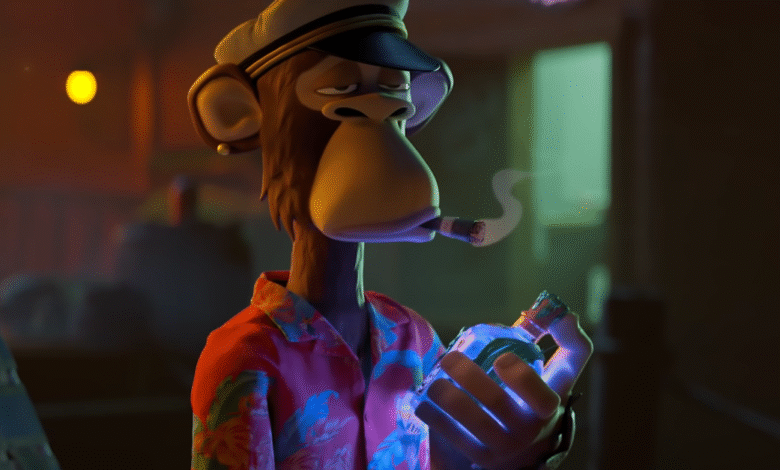
The Bored Ape Yacht Club is staging a major comeback in the metaverse, moving beyond its origins as a high-profile NFT project to launch a new digital realm called Otherside. As dusk settles over a virtual swamp, the distant thump of bass draws visitors toward a glowing wooden structure, the official BAYC clubhouse. Yet, despite the atmospheric setting, initial explorations reveal a world still taking shape, with locked doors and limited activities hinting at the challenges ahead for Yuga Labs’ ambitious virtual venture.
Otherside represents Yuga Labs’ long-awaited entry into the metaverse space, following a $450 million funding round in 2022. The company’s vision centers on creating an interoperable, gamified, and decentralized virtual world where users can interact using NFT avatars and explore environments built by both the developers and the community. Slated for a November 12 launch, the platform aims to blend social interaction, gaming, and digital ownership in a single ecosystem.
Michael Figge, Yuga Labs’ chief product officer, describes Otherside as “one of the most ambitious projects ever attempted in the space.” The platform draws inspiration from popular online environments like Roblox and Fortnite but integrates blockchain technology at its core. Players can log in using a crypto wallet or traditional methods like email, ensuring accessibility for both crypto enthusiasts and newcomers. Figge emphasizes that lowering the barrier to entry is crucial for exposing users to the benefits of owning digital assets.
Throughout Otherside, crypto elements are prominently featured, from NFT-based avatars and virtual land parcels to blockchain currencies. Yuga Labs hopes these components will foster a vibrant creator economy, offering builders greater flexibility since digital assets can exist independently of the platform and be transferred elsewhere. Users who prefer to avoid the crypto aspects can still explore and socialize without deep engagement.
The current alpha version includes areas like The Swamp and an upcoming central hub called the Nexus. Community-developed games such as Bathroom Blitz, a fast-paced shooter, and Otherside Outbreak, a zombie survival experience, will be available at launch. The platform also supports “Bubbles,” social audio spaces similar to Clubhouse or X Spaces, enabling real-time voice conversations among players.
Figge sees significant potential in user-generated content, positioning Otherside as a competitor to established platforms like Roblox and Minecraft. He believes many creators feel underserved by existing economic models and may find Yuga’s approach more rewarding. Avatar customization plays a key role in this strategy. Players can use 3D versions of NFTs they own or acquire new avatars through Yuga’s Voyager system. Early partnerships include a limited collection by digital artist Daniel Arsham and a co-branded “Boximus” avatar developed with Amazon, described as a figure constructed from Amazon shipping boxes. These avatars will function like premium skins in traditional games, purchasable, tradable, and resellable thanks to their blockchain foundation.
Hands-on time in The Swamp revealed a spacious but sparse environment, more akin to a 3D social chatroom than a dynamic game world. While visually atmospheric, the area offered little beyond exploration and basic interaction. Closed buildings, non-functional objects, and fleeting events, like a passing train too swift to catch, underscored the pre-launch state of the experience. Without structured gameplay or clear objectives, the world felt reminiscent of early metaverse platforms like Horizon Worlds, where socializing alone must carry the weight of user engagement.
Social-focused virtual worlds often struggle to achieve broad appeal, with standout successes like VRChat remaining exceptions. Platforms such as Fortnite and Roblox thrive by combining social features with compelling gameplay, a balance Otherside has yet to demonstrate. While Yuga Labs aims to empower creators and integrate crypto ownership in innovative ways, the initial build leans heavily on digital asset ownership without delivering the instant fun or immersion of its competitors.
It’s possible that Otherside could evolve into a more engaging and populated universe over time, much as Fortnite and Minecraft grew through continuous updates and community input. For now, however, the emphasis on blockchain technology and a still-developing feature set may limit its initial appeal. Whether Yuga Labs can transform its promising vision into a vibrant, lasting metaverse remains an open question, one that the November launch will begin to answer.
(Source: The Verge)