▼ Summary
– Oobah Butler is a British prankster documentarian known for stunts like creating a fake top-rated restaurant and selling fake products on Amazon.
– His documentary “How I Made £1 Million in 90 Days” explores startup culture, venture capital, and crypto through satirical methods to understand society’s obsession with wealth.
– Butler attempts various money-making schemes, including asking wealthy individuals for money and creating hype for a crypto company through controversial stunts.
– He co-founds Drops, a company that generates attention by proposing absurd luxury items like a bomb-shaped suitcase and real-life ad-blocking sunglasses.
– Butler exploits a legal loophole to operate a “child sweatshop” for marketing a fake religious clothing line, which gains media coverage but fails to generate significant sales.
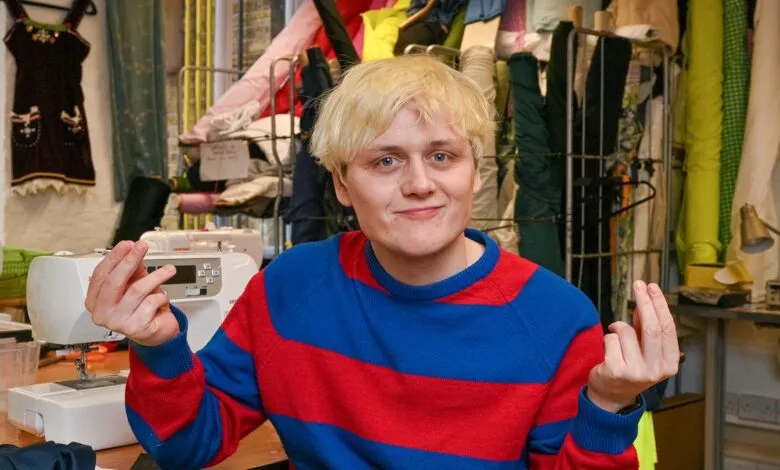
Navigating the high-stakes world of venture capital and rapid wealth creation requires more than just a good idea, it demands an understanding of the hype-driven culture that fuels modern entrepreneurship. Oobah Butler, a British documentary filmmaker famous for his elaborate public stunts, recently tested this premise in a bold social experiment. His latest project, a film titled How I Made £1 Million in 90 Days, follows his attempts to accumulate a seven-figure sum without breaking any laws, all while exposing what he sees as an unhealthy obsession with profit.
Butler’s previous exploits include turning a fictitious garden shed into TripAdvisor’s top-rated London restaurant and listing bottled delivery driver urine as an energy drink on Amazon. This time, he set his sights on startup culture, cryptocurrency, and investor psychology. He expressed fascination with society’s tendency to idolize wealthy entrepreneurs, explaining that his motivation was to explore why so many people become fixated on accumulating money far beyond their basic needs.
Operating under self-imposed rules that prohibited illegal activity and required him to cover his own expenses, Butler tried multiple approaches. He began by directly asking affluent individuals for cash, a strategy that yielded little success. He then shifted to generating buzz around a cryptocurrency venture called UNFK, using tactics like persuading bankers to unwittingly commit minor offenses on camera. Simultaneously, he founded a company named Drops, designed to attract media attention through provocative stunts and sell outrageously priced merchandise.
A significant turning point came when Butler recruited Venmo cofounder Iqram Magdon-Ismail as his Drops cofounder. Magdon-Ismail initially displayed immense enthusiasm, declaring the fledgling company worth at least $10 million based solely on their association. During brainstorming, they discussed far-fetched concepts such as purchasing Martian land rights and launching the “first branded species.” However, the partnership cooled after Butler proposed a luxury suitcase resembling an explosive device and “real life ad blocking sunglasses” that would completely obscure the wearer’s vision, leading Magdon-Ismail to temporarily cut off communication.
After an unsuccessful foray into memecoins, Butler revived Drops with one of his most controversial ideas: establishing what he termed Britain’s first legal child sweatshop in over a century. Exploiting a legal loophole by classifying the children as documentary performers, he avoided paying them wages. These young “employees” contributed marketing concepts for a custom soccer jersey line promoting a faux religious cigarette brand, Holy Smokes. Although the jerseys earned features in publications like GQ, sales fell drastically short of the £1 million target, underscoring the gap between media hype and genuine commercial success.
(Source: Wired)
