‘Incognito’ Dark Web Drug Market Operator Gets 30-Year Sentence
▼ Summary
– Rui-Siang Lin was sentenced to 30 years in prison for running the dark web “Incognito Market,” which sold over $105 million in narcotics from 2020 to 2024.
– Prosecutors stated Lin, known online as “Pharoah,” operated by taking a 5% cut from crypto transactions to keep buyers and sellers anonymous.
– He pleaded guilty in December 2024 to narcotics conspiracy, money laundering, and conspiracy to sell adulterated medication.
– Lin was identified because he used his real name and address when registering the site’s domain, according to the FBI.
– Before shutting down in 2024, Lin stole at least $1 million from user deposits and attempted to extort users by threatening to publish their data.
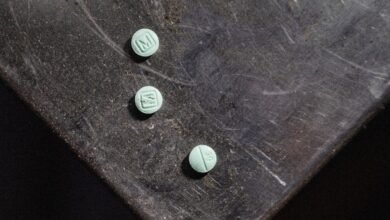
A federal judge has handed down a 30-year prison sentence to the individual responsible for operating the notorious “Incognito Market” on the dark web. The platform, which functioned from 2020 until its shutdown in 2024, facilitated the sale of an enormous volume of illegal narcotics. Prosecutors detailed that the marketplace moved over $105 million worth of drugs, a staggering inventory that included more than a metric ton each of cocaine and methamphetamine, along with hundreds of kilograms of other controlled substances and thousands of pills falsely labeled as oxycodone. U.S. Attorney Jay Clayton labeled the operator, Rui-Siang Lin, as one of the globe’s most significant drug traffickers, noting his operation acted as an anonymous intermediary, taking a five percent commission from all cryptocurrency transactions.
Lin, who also used the online alias “Pharoah,” admitted guilt in late 2024 to a series of charges including narcotics conspiracy, money laundering, and conspiracy to sell adulterated medication. His capture was notably straightforward; according to court documents, an FBI investigator stated that Lin had used his actual name and residential address when registering the site’s domain, a critical error that led directly to his identification. His criminal conduct escalated dramatically just before the marketplace ceased operations. In a brazen betrayal of his user base, Lin executed an exit scam, stealing at least $1 million in user funds held in the platform’s internal bank. He then attempted to extort both vendors and buyers, threatening to publicly release their transaction histories and cryptocurrency wallet addresses unless they paid him additional sums. A post on the site itself boldly declared, “YES, THIS IS AN EXTORTION!!!”
This sentencing draws inevitable comparisons to other infamous dark web cases. Ross Ulbricht, the creator of the original Silk Road, received a life sentence after his platform was dismantled in 2013, though he was later granted a presidential commutation. Another individual, Thomas White, who launched a successor site known as Silk Road 2.0, was ultimately sentenced to five years in prison in the United Kingdom. Lin’s three-decade term underscores the severe penalties now being pursued for those who build and profit from these clandestine online criminal enterprises. The case highlights the persistent challenge of dark web markets while demonstrating that operational mistakes, like the careless use of personal information, can lead to their swift unraveling.
(Source: The Verge)