Whole Foods to Roll Out Smart Food Waste Bins in 2027
▼ Summary
– Mill has partnered with Amazon to install its food waste bins in Whole Foods produce departments nationwide starting in 2027.
– Amazon’s Climate Pledge Fund is investing an undisclosed amount in the startup Mill, which has raised $250 million total.
– A significant problem is that U.S. grocery stores waste about 10% of all food, or roughly 43 billion pounds annually.
– Mill’s bins use sensors to collect data aimed at helping Whole Foods reduce the amount of produce it discards.
– The processed food waste from the bins will be converted into chicken feed for Whole Foods’ private label egg suppliers.
A major partnership between a food waste startup and a leading grocery chain aims to tackle a persistent environmental and economic challenge. Whole Foods Market will begin installing smart food waste bins from the company Mill in its produce departments nationwide, starting in 2027. This initiative is backed by a new deal with Amazon, which also includes an investment in Mill through its Climate Pledge Fund, though the specific financial details were not made public. The startup has reportedly secured a total of $250 million in funding to support its mission.
The scale of food waste in the grocery sector is staggering. Industry data indicates that U.S. stores discard roughly 10% of all food each year, amounting to tens of billions of pounds. For retailers operating with very slim profit margins, this represents a significant financial loss. Beyond the economic impact, this waste contributes heavily to landfill mass and greenhouse gas emissions, expanding each store’s carbon footprint.
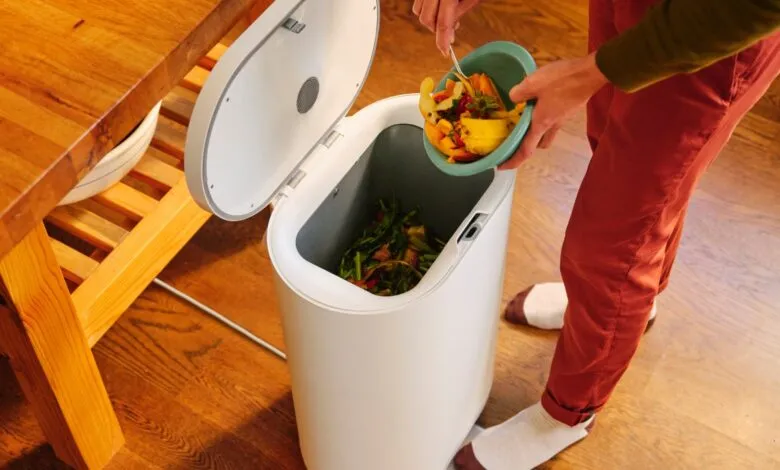
Mill’s technology centers on specially designed bins equipped with advanced sensors. These devices are not just for collection; they are data-gathering tools. The system will provide Whole Foods with detailed analytics on what types of produce are being discarded and in what volumes. This information is crucial for identifying patterns and inefficiencies in the supply chain, from ordering to display, enabling more precise inventory management to prevent waste before it happens.
After collection, the process continues. The bins dehydrate and grind the food scraps on-site, significantly reducing their volume and weight. This processed material is not destined for a landfill. Instead, it will be converted into chicken feed. This feed will then be supplied to the farms that produce eggs for Whole Foods’ private label brands, creating a circular loop. This approach turns a costly waste stream into a valuable resource, supporting sustainable agriculture practices.
The rollout planned for 2027 gives both companies time to refine the system and scale up operations. This partnership highlights a growing trend where major corporations are investing in upstream solutions to sustainability challenges, moving beyond simple recycling to creating closed-loop systems that benefit both the bottom line and the planet.
(Source: TechCrunch)