Xbox Faces Significant Financial Challenges
▼ Summary
– During Black Friday week, the PlayStation 5 led U.S. console sales with 47% of the market, followed by the Nintendo Switch 2 at 24% and the NEX Playground at 14%.
– Microsoft did not offer any sales promotions for its Xbox Series X/S consoles during this period, contributing to their absence from the top sales chart.
– Xbox’s current strategy is shifting away from hardware, focusing instead on software and services like Game Pass and cloud gaming.
– The company appears to be reducing console shipments to retailers, and any future Xbox hardware is expected to be a premium, expensive device.
– The console market is becoming more competitive with new entrants like the Steam Machine, while component shortages, such as for RAM, present ongoing challenges.
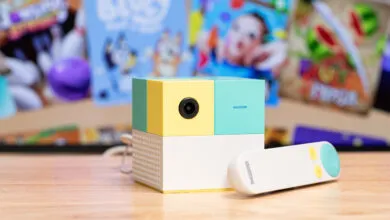
Recent sales figures paint a stark picture for Microsoft’s Xbox division, revealing significant financial headwinds as the brand appears to cede ground in the critical hardware marketplace. During the pivotal Black Friday sales week, the PlayStation 5 dominated with 47% of all U.S. console unit sales, heavily fueled by aggressive retailer discounts. The Nintendo Switch 2 followed in second place, capturing 24% of the market. Perhaps most tellingly, the third-place spot went not to an Xbox, but to the NEX Playground, a budget-friendly, motion-sensing console for children that claimed 14% of sales. The absence of the Xbox Series X and S from this competitive landscape is a glaring omission that underscores a major strategic shift.
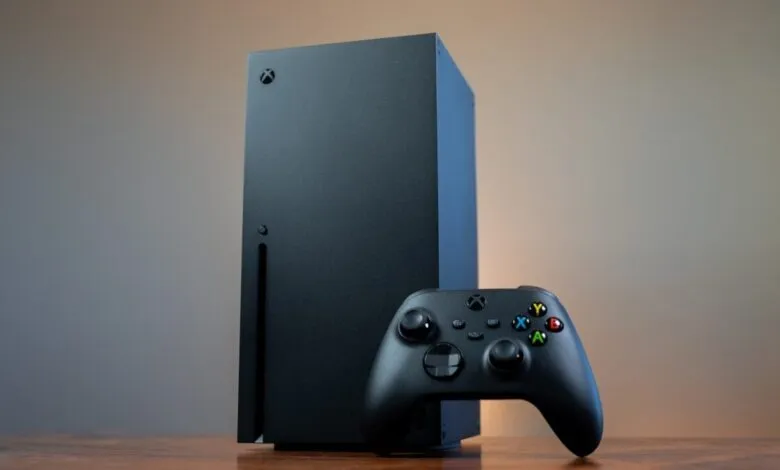
Analyst Mat Piscatella of Circana noted that products which avoid price promotions typically see little to no seasonal sales lift. This principle played out dramatically, as Sony’s discounted PS5 reaped the majority of holiday consumer spending. Microsoft, in contrast, offered no official Black Friday sales initiatives for its consoles. The current price point of the Xbox Series X sits at $650, a substantial increase from its $500 launch price, making it a less attractive option without promotional support. This decision suggests Microsoft may no longer prioritize aggressive console sales, instead choosing to conserve its marketing efforts and retail allocations. Reports indicate retailers like Costco have even removed Xbox consoles from their online stores, hinting at reduced shipments from the manufacturer.
The company’s overarching strategy is now unmistakably centered on software and services rather than hardware. The vision for Xbox is evolving into a premium gaming ecosystem accessible via multiple devices, with any future “next-gen” console likely positioned as a high-end, niche product. This pivot, while logical from a business perspective, is a difficult pill to swallow for dedicated fans of the hardware. The move coincides with severe industry-wide challenges, particularly a protracted shortage and soaring cost of DRAM and SSD memory, driven by intense demand from AI data centers. This component crisis could keep hardware production costs elevated for years, further complicating the economics of manufacturing consoles.
Amid this hardware retreat, Microsoft reports increased usage hours for its cloud gaming service. However, the company has grown reticent about sharing concrete Game Pass subscriber numbers, leaving the true health of this service-based model somewhat opaque. While betting on software and subscription access could ultimately prove successful, the immediate consequence is a rapidly deteriorating console business. The competitive field is also set to expand, with Valve’s anticipated Steam Machine and similar third-party PC consoles entering the market in 2026. The future battle for the living room will involve more players than ever, and Xbox’s next hardware offering will not simply be fighting Sony’s PlayStation 6, but a broader array of devices and platforms. For now, the traditional console war, at least as it involves Xbox hardware, appears to be winding down.
(Source: Gizmodo)