Tekken Director Katsuhiro Harada Leaves Bandai Namco After 30 Years
▼ Summary
– Katsuhiro Harada, the longtime director and face of the Tekken series, has announced he will leave Bandai Namco at the end of 2025 after 30 years with the franchise.
– His decision was influenced by personal reflection following the loss of close friends and respected senior colleagues, and he received advice from PlayStation creator Ken Kutaragi.
– Harada has openly discussed development and business challenges at Bandai Namco, including a structural separation between development and publishing that he admitted was a mistake and led to community friction.
– He is known for his direct engagement with the Tekken community and for candidly addressing controversies, such as player concerns over Tekken 8’s premium DLC.
– Harada’s departure marks a significant transition for Tekken, following the successful launch of Tekken 8, with his responsibilities having been gradually handed over to the team in recent years.
The legendary figure behind the Tekken fighting game series, Katsuhiro Harada, has confirmed he will depart from Bandai Namco at the end of 2025. This move concludes a monumental three-decade tenure where Harada became synonymous with the franchise, rising from a junior staffer in the arcade era to its global director and public face. His decision stems from personal reflection following the loss of close friends and respected senior colleagues, coupled with invaluable counsel from PlayStation pioneer Ken Kutaragi. While Harada has not announced his next venture, he explicitly stated he is not retiring from game creation.
Harada’s relationship with the corporate structure at Bandai Namco has been complex in recent years. He has been openly critical of internal decisions affecting the Tekken community, most notably during a controversy last October over premium DLC for Tekken 8. Fans accused the publisher of corporate greed, prompting Harada to explain a divisive internal separation between game development and publishing. He admitted this structure was a mistake, as it prevented him from adequately bridging the gap and incorporating player feedback into business decisions. Harada pledged to reorganize his role to better serve the community, a characteristically frank admission from a developer never shy about challenging his employers.
In his full departure statement, Harada reflected on his origins, carrying arcade cabinets to small tournaments and directly engaging with players. He credits these grassroots experiences as the core of his identity as a creator. The recent passing of friends and mentors led him to contemplate his remaining creative time, a process supported by advice from Ken Kutaragi. Harada expressed profound gratitude to fans and colleagues, noting he has spent the last few years gradually handing over his responsibilities and the series’ lore to the team. His work extended beyond Tekken to projects like SoulCalibur, Pokkén Tournament, and VR titles, all of which he called irreplaceable experiences.
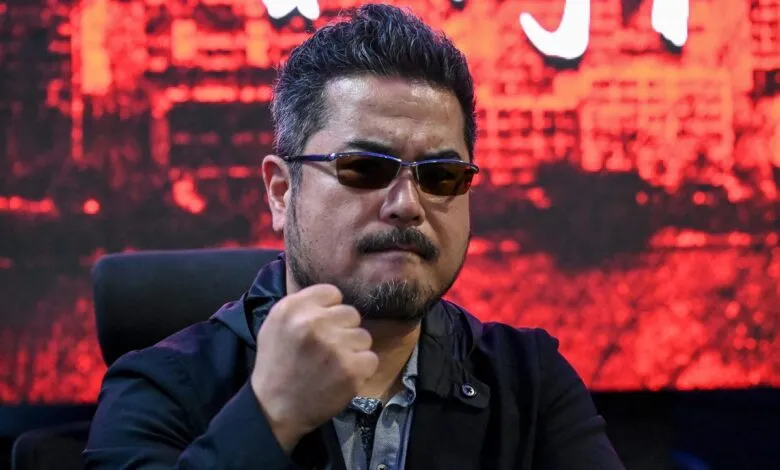
Harada joined Namco in the early 1990s to work on the original arcade versions of Tekken. His hands-on approach involved living at the office and constantly visiting arcades to observe how people played. He rose through the ranks to direct Tekken 3, a title often hailed as one of the greatest fighting games ever made, which sold over 8.36 million copies on the original PlayStation. His iconic public persona, marked by sunglasses and a raised fist echoing the series’ “King of Iron Fist” tagline, made him a beloved figure at global community events.
His exit arrives at a pivotal moment for the franchise. While Tekken 8 has reportedly sold three million copies faster than its predecessor, Bandai Namco has been quiet on subsequent sales figures or plans for new DLC characters. This transition raises significant questions about the future direction of the series and the timing of a potential Tekken 9. The departure of such a defining creative force undoubtedly marks the end of an era for one of gaming’s most enduring fighting dynasties.
(Source: IGN)