The Creator Economy’s Impact on the Internet
▼ Summary
– Jimmy “MrBeast” Donaldson is the world’s most popular YouTuber, with over 450 million subscribers, representing a model of independent success without traditional gatekeepers.
– Despite his massive online fame, MrBeast’s core video content business has been consistently unprofitable, losing a significant amount of money, including $110 million in 2024.
– His real revenue now comes not from YouTube but from selling consumer products, specifically a line of chocolate bars available in retail stores like Walmart.
– The article positions this as a shift from a new creative economy to a traditional model of selling mass-market products people don’t necessarily need.
– This reflects a broader trend where the entire internet, including major platforms, is now dominated by commercial incentives that prioritize selling over pure content.
The creator economy has fundamentally reshaped the internet, promising a new path to fame and fortune free from traditional gatekeepers. Figures like Jimmy Donaldson, known as MrBeast, embody this aspiration, boasting a subscriber count that rivals the population of a large nation. His meticulously produced, high-stakes videos serve as a beacon for countless independent creators, suggesting that viral success and significant wealth are just a clever algorithm hack away. This narrative fuels an entire industry built on the dream of digital entrepreneurship.
However, the glittering surface of this economy often hides a less glamorous reality. Even the most successful creators frequently find that content alone is not a viable business. Financial disclosures revealed MrBeast’s core content operation lost substantial money for three consecutive years, including a staggering deficit in 2024. The viral videos, it turns out, function primarily as an elaborate and expensive advertisement. The real revenue engine is a line of consumer products, like chocolate bars, sold through major retail chains. This underscores a pivotal shift: the dream of monetizing creativity directly has largely given way to the ancient practice of using popularity to move merchandise.
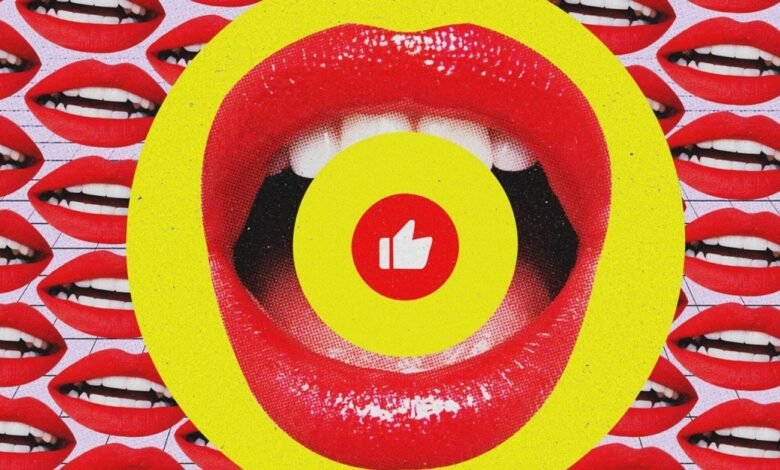
This dynamic exposes the complex and often problematic incentives powering platforms like YouTube, TikTok, and Instagram. The internet’s landscape has transformed from a space of relatively pure connection and information into an omnipresent marketplace. Commercial pressure, once the domain of large corporations, now permeates every corner of our digital experience. Content becomes a funnel, creators become brands, and audiences become consumers in a cycle that prioritizes salability over substance. This commercial absorption is reshaping online culture, often swallowing authentic creativity and community in the process. The spectacle of a creator’s perpetually open mouth may be less a sign of perpetual amazement and more a fitting metaphor for an ecosystem constantly hungry for consumption.
(Source: The Verge)