Trump Rolls Back Fuel Standards, Boosting Gas Guzzlers
▼ Summary
– The Trump administration is rolling back stricter fuel economy standards set by the Biden administration, lowering the target to around 34.5 mpg by 2031 instead of roughly 50.4 mpg.
– Critics argue this rollback will increase drivers’ fuel costs and worsen health risks and climate impacts by allowing more tailpipe pollution.
– The previous, higher standards were estimated to save Americans billions in fuel costs and significantly cut gasoline use and carbon dioxide emissions.
– President Trump claims the action will lower car prices, while it was announced with support from auto industry leaders who face penalties under stricter rules.
– The proposal will be posted for public comment before being finalized next year by the US Department of Transportation.
The Trump administration has introduced a significant rollback of federal fuel economy standards, a move that will allow automakers to produce vehicles with lower miles-per-gallon efficiency. This policy shift represents a major departure from the stricter regulations established under the previous administration, directly impacting consumer costs, public health, and national environmental goals. By revising the Corporate Average Fuel Economy (CAFE) standards, the government is altering the trajectory for vehicle emissions and fuel consumption for years to come.
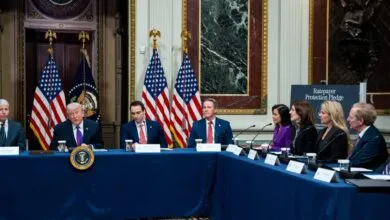
President Donald Trump announced a new plan that lets carmakers pollute more by making less fuel efficient vehicles. The National Highway Traffic Safety Administration confirmed it will reverse the rules for model years 2022 through 2031, which were finalized last year. The administration’s broader agenda has consistently targeted environmental regulations, including eliminating electric vehicle purchase incentives and scaling back various energy efficiency policies. The president argues that this approach supports American automakers and aligns with a national strategy of increased oil and gas production.
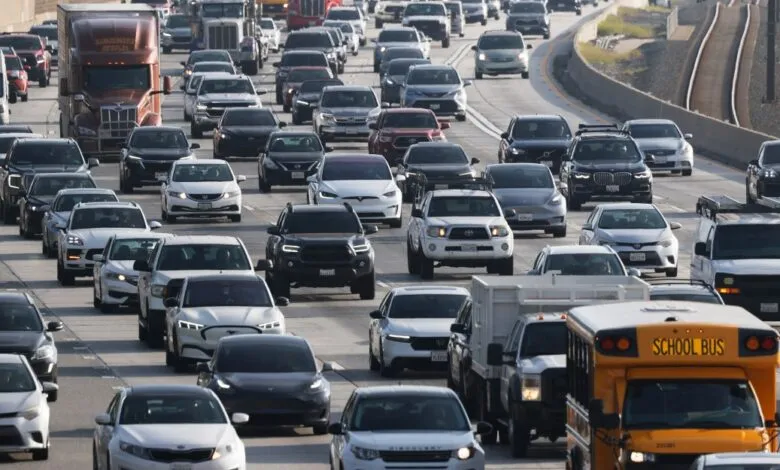
Critics strongly oppose the change, warning it will burden Americans with higher expenses at the pump and exacerbate health and climate risks. “Slashing fuel economy standards will increase costs for drivers and threaten the progress made in reducing dangerous air pollution,” said Darien Davis of the League of Conservation Voters. The new proposal sets a federal fuel economy standard of approximately 34.5 miles per gallon by 2031, a stark contrast to the prior target of about 50.4 miles per gallon for the same year.
The previous, more stringent standards were projected to deliver substantial economic and environmental benefits. Agency estimates indicated they would save Americans $23 billion in fuel costs over time, averaging $600 in lifetime savings per vehicle owner. The rules were also expected to reduce gasoline consumption by 70 billion gallons through 2050, preventing 710 million metric tons of carbon dioxide emissions. That pollution reduction is comparable to removing over 165.6 million traditional passenger vehicles from the roads for an entire year.
Despite these projections, President Trump asserted that his action would lower new car prices by about $1,000, though he provided no supporting evidence. Clean energy advocates counter that any upfront savings will be quickly erased by increased spending on fuel. The announcement was made with auto industry executives present, including leadership from General Motors and Stellantis, the parent company of Chrysler. Both manufacturers have faced significant financial penalties in recent years for failing to meet existing CAFE requirements.
Addressing the industry leaders, Trump stated, “We’ve just freed you up, so you’re going to have a good day, you’re going to have a good number of years.” Ford CEO Jim Farley characterized the decision as “a victory of common sense and affordability.” The proposal from the U.S. Department of Transportation will now enter a public comment period before being finalized next year, setting the stage for continued debate over the nation’s automotive and environmental future.
(Source: The Verge)