How Red Bull and AT&T Move Terabytes of F1 Data
▼ Summary
– AT&T provided travel and accommodation for Ars to attend the Las Vegas Grand Prix, but Ars does not accept paid editorial content.
– Formula 1 is an engineering-driven sport that relies heavily on increasing volumes of data for decision-making rather than hunches.
– Modern F1 cars use hybrid powertrains with 1.6 L turbocharged V6 engines that recover energy from braking and exhaust gases.
– Current F1 cars generate aerodynamic grip primarily through ground effect from sculpted undersides rather than front and rear wings.
– F1 teams now operate under a $140 million cost cap, requiring efficient use of resources like AT&T’s services to connect trackside and factory operations.
Navigating the high-speed world of Formula 1 requires more than just superior engineering; it demands a mastery of massive data streams that fuel every strategic decision. While the cars themselves have evolved significantly, the real transformation lies in how teams manage and utilize terabytes of information under strict financial constraints. The sport has exploded in popularity, especially across the United States, turning each Grand Prix into a must-watch episode of a global drama.
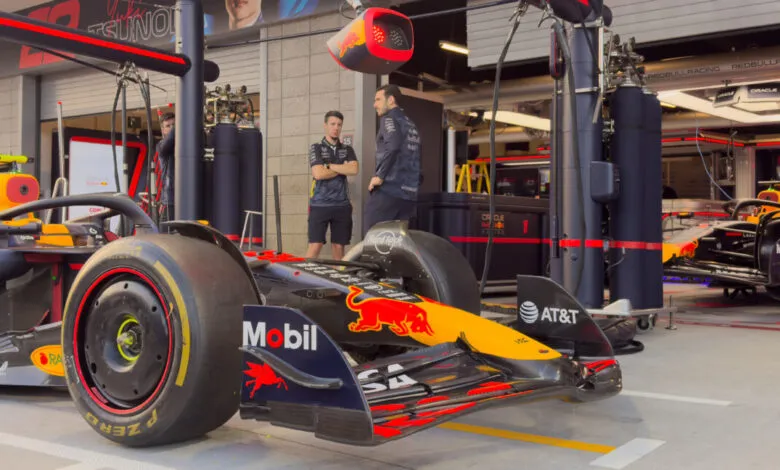
At first glance, today’s F1 cars might appear similar to their predecessors, featuring open wheels, prominent front and rear wings, and drivers nestled between side pods. Under the bodywork, hybrid powertrains continue to use 1.6-liter turbocharged V6 engines, capturing energy from both braking at the rear wheels and exhaust gases spinning the turbine. However, a fundamental shift has occurred in how these machines generate downforce. Modern F1 cars rely heavily on ground effect aerodynamics, with meticulously shaped underfloors creating the majority of grip, reducing dependence on traditional wings.
Perhaps the most significant change involves team budgets. The era of unlimited spending is over, replaced by a firm financial framework. Morgan Maia, senior partnerships manager at Oracle Red Bull Racing, clarified the situation: “We have $140 million to develop the full car and that’s between all the partners; all the products we use with AT&T are part of this cost cap. So that’s why we have to make sure we don’t use too much.” This cap forces teams to optimize every resource, making efficient data handling not just an advantage but a necessity.
Telecommunications giant AT&T has collaborated with Red Bull Racing for over ten years, but its role has grown substantially. The partnership now creates a vital digital bridge between the racetrack garage and the team’s command center at its UK headquarters. This setup allows far more experts to analyze real-time data and assist with race-day challenges, effectively expanding the team’s intellectual capacity beyond the 60-person limit trackside.
(Source: Ars Technica)