World’s Busiest Spaceport Shatters Another Launch Record
▼ Summary
– A Falcon 9 rocket launched 29 Starlink satellites from Cape Canaveral, marking the 94th orbital launch from Florida’s Space Coast in 2025.
– This launch set a new annual record for satellite launches from the world’s busiest spaceport, surpassing the previous record.
– Global orbital launches have reached 259 so far in 2025, putting the world on pace for about 300 launches by year’s end, more than double the 2021 total.
– The launch was observed by very few spectators, reflecting how routine such events have become compared to a decade ago when they attracted more attention.
– Aerospace engineers are taught that spaceflight is not routine to avoid complacency, which can lead to failure and death, despite the increased frequency of launches.
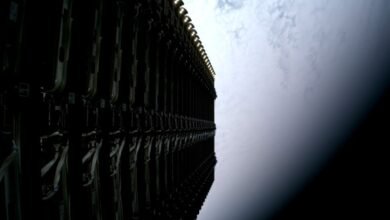
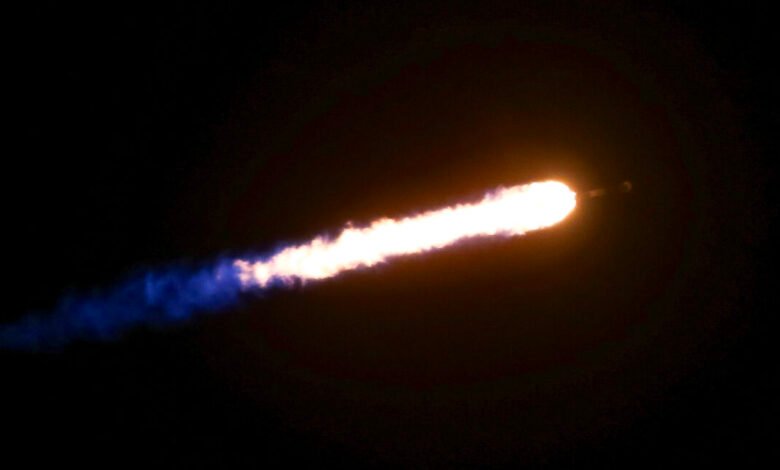
The world’s busiest spaceport, located along Florida’s Space Coast, has broken its own launch record for the second consecutive year. On Monday evening, a Falcon 9 rocket lifted off from Cape Canaveral carrying 29 Starlink internet satellites into orbit. This marked the 94th orbital launch from the Space Coast in 2025, surpassing the previous annual record for the most satellite launches from this premier launch site. Just two days earlier, a Chinese Long March 11 rocket launched from a sea-based platform, contributing to the global total of orbital missions for the year. That launch represented the 255th successful orbital mission worldwide in 2025, setting a new benchmark for global launch activity.
By midweek, several additional missions had pushed the worldwide count to 259 orbital launches. If this pace continues, experts project around 300 orbital launches by the close of the year. This would more than double the number of orbital launches recorded globally in 2021, which stood at 135.
Despite the record-setting cadence, the atmosphere surrounding many of these launches has shifted. From a vantage point a few miles from the launchpad, the scene before the Falcon 9 roared to life was surprisingly quiet. Gone were the large crowds of space enthusiasts and rows of photographers that once characterized launch viewings. Instead, only this reporter and a pair of cheerful retirees watched an event that, just ten years ago, would have drawn significantly more public attention.
A visit to a local airport observation area might reveal more people watching commercial airliners than those gathered for a rocket launch. Yet the spectacle of a rocket ascending remains extraordinary. On the same evening the 94th launch of the year departed Cape Canaveral, Orlando International Airport logged an equal number of airplane departures in a mere three-hour window.
Larger crowds still assemble for milestone missions, such as test flights of SpaceX’s Starship megarocket in Texas or Blue Origin’s upcoming second attempt to launch its New Glenn heavy-lift vehicle this Sunday. However, these high-profile events are the exception rather than the rule. For decades, aerospace professionals have been taught a critical lesson: treating spaceflight as routine risks fostering complacency. Such an attitude can lead to mission failures and, in the worst cases, loss of life. The industry maintains a deep respect for the complexity and danger inherent in every launch, even as the frequency of flights increases.
(Source: Ars Technica)