iRobot Faces Financial Crisis as Revenue Plummets
▼ Summary
– iRobot reported declining third-quarter revenue and now has less than $25 million in cash with no immediate sources for additional capital.
– The company has struggled for years due to competition from Chinese manufacturers and the collapse of its 2022 Amazon sale deal, leading to layoffs and debt.
– iRobot launched a new line of robot vacuums with lidar navigation and different designs to better compete, but with a less feature-rich app.
– The company may seek bankruptcy protection if it cannot secure funding or a buyer, as disclosed in regulatory filings.
– If iRobot shuts down, most Roombas should still function manually offline, but app-based features like scheduling and voice control would be lost.
The outlook for iRobot, the pioneering force behind the Roomba robot vacuum, appears increasingly grim as the company confronts a severe financial downturn. Recent third-quarter earnings reveal a sharp revenue decline, which CEO Gary Cohen described as falling “well below our internal expectations.” He attributed this slump to persistent market challenges, manufacturing delays, and unexpected shipping interruptions. These difficulties have severely drained the company’s cash reserves, leaving it with less than $25 million on hand. Cohen confirmed that iRobot currently has no available avenues to secure additional capital, signaling a precarious financial position.
For years, iRobot has faced mounting pressure from Chinese competitors that have captured significant market share. A potential rescue came in the form of a 2022 acquisition offer from Amazon, but regulatory obstacles ultimately blocked the deal. The collapse of that agreement plunged iRobot into deeper turmoil, triggering a workforce reduction of more than 30 percent, the departure of founder and CEO Colin Angle, and a substantial accumulation of debt.
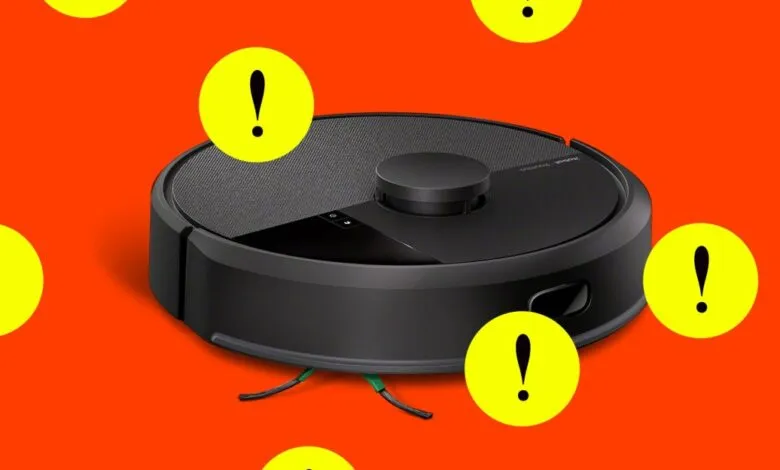
In an effort to regain its competitive edge, iRobot introduced a completely redesigned lineup of robot vacuums this year. These new models feature lidar navigation technology for the first time, moving away from the brand’s traditional VSLAM system. Externally, the vacuums now resemble those from rivals like Roborock, Ecovacs, and Dreame. While the accompanying app offers fewer features than before, the hardware includes new additions such as spinning mop pads and a roller mop.
Earlier this month, a regulatory filing indicated that iRobot may need to seek bankruptcy protection if it cannot finalize a sale or secure new financing. This has raised understandable concerns among Roomba owners regarding the future functionality of their devices.
When questioned about what would happen to customer robots if the company ceased operations, iRobot’s Senior Director of Corporate Communications, Michèle Szynal, stated that the firm does not comment beyond its public disclosures. She noted that iRobot has secured an agreement with its primary lender, extending a covenant waiver through December 1, 2025, to allow time for exploring strategic options such as a potential sale or debt refinancing. Szynal emphasized that daily operations and product support remain unchanged as the company heads into the holiday season.
The recent shutdown of Neato Robotics serves as a cautionary example. After ceasing operations in 2023, Neato discontinued its cloud services, rendering app-based controls inoperable, though manual operation of the vacuums remained possible. Similarly, if iRobot were to go out of business and deactivate its cloud infrastructure, most Roombas would still function using their physical buttons for basic tasks like starting, stopping, and returning to the dock. However, advanced capabilities, such as scheduling cleanings, targeting specific rooms, or using voice commands, would be lost. This situation underscores an important principle: smart home devices should be enhanced by connectivity, not entirely dependent on it.
(Source: The Verge)