The Science Behind Civet Coffee’s High Price
▼ Summary
– Kopi luwak is one of the world’s most expensive coffees, costing $45–$590 per pound, and is made from beans harvested from civet feces.
– The coffee’s taste is polarizing, with some critics describing it as poor quality while fans and a chemical analysis suggest it has a unique aroma and flavor.
– It is a processing method where civets eat and ferment coffee berries in their digestive tracts, and farmers collect and roast the excreted beans.
– Scientific studies show mixed results but note differences in compounds like lower acidity and bitterness, and higher acetic acid and lipids compared to regular coffee.
– Understanding kopi luwak’s chemistry helps detect counterfeits and could lead to artificial fermentation due to concerns over unethical civet farming practices.
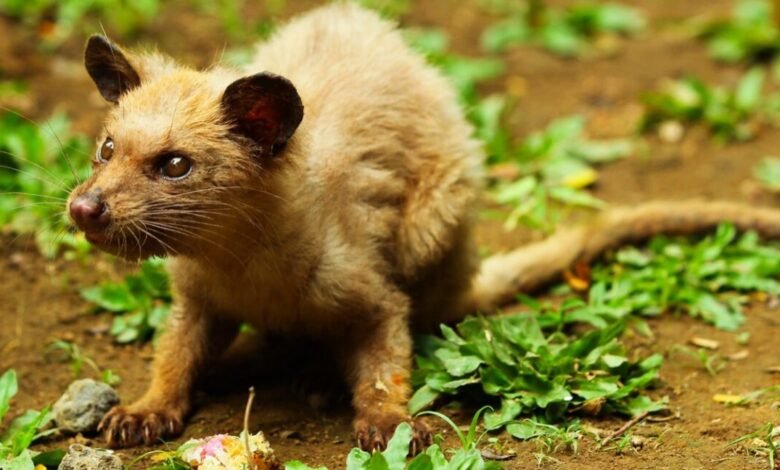
For those seeking the ultimate coffee experience, few names carry as much mystique, and controversy, as kopi luwak, often referred to as civet coffee. This rare brew commands staggering prices, from around $45 to nearly $600 per pound, largely due to its unusual production method involving the Asian palm civet. While some dismiss it as a novelty, others praise its smooth, complex flavor, making it one of the world’s most debated luxury beverages.
The journey of kopi luwak begins when wild civets selectively eat only the ripest coffee cherries. Inside the animal’s digestive system, natural fermentation occurs: enzymes break down the fruit’s pulp, and the beans are later excreted intact. Farmers then collect these beans from the civet’s droppings, thoroughly wash them, and proceed with drying and roasting. This unique process is said to alter the beans’ chemical structure, reducing bitterness and enriching the final cup’s aroma.
Opinions on the actual taste of kopi luwak vary dramatically. One well-known food critic likened it to stale, low-grade coffee with unappealing undertones, while devoted enthusiasts describe a uniquely smooth, full-bodied brew with hints of chocolate and caramel, and noticeably less acidity. Recent scientific analysis appears to support the latter view, identifying measurable differences in the beans’ composition after they’ve passed through a civet.
Studies comparing civet-processed beans with regular coffee have found notable variations. Kopi luwak tends to have lower levels of certain proteins and caffeine, along with altered concentrations of sugars and minerals. It also shows increased amounts of lipids and acetic acid, which may contribute to its perceived richness and smoother mouthfeel. The reduction in compounds associated with bitterness helps explain why many find this coffee exceptionally mellow.
Beyond flavor, scientific research plays a crucial role in combating fraud within the kopi luwak market. The high price and limited supply have led to widespread counterfeiting, where ordinary beans are falsely labeled and sold as genuine civet coffee. By identifying the unique chemical markers of authentic kopi luwak, producers and buyers can better verify its legitimacy.
Growing ethical concerns also drive scientific interest. On some farms, civets are kept in small cages and fed an unnatural diet of coffee cherries to increase production, a practice widely condemned by animal welfare advocates. Researchers are exploring ways to replicate the digestive fermentation artificially, aiming to produce beans with a similar chemical profile and flavor without relying on captive wildlife. Such innovation could make ethical, sustainable kopi luwak more accessible while preserving the qualities that make it so distinctive.
(Source: Ars Technica)