▼ Summary
– Hurricane Helene damaged a Baxter International plant in North Carolina that produced 60% of the US supply of intravenous fluids.
– Hospitals nationwide rationed supplies, altered treatments, and delayed surgeries due to the resulting shortage.
– The federal government responded by loosening import rules and extending expiration dates to mitigate the crisis.
– This event highlighted the fragility of the US drug supply chain, which had already reached record-high shortages earlier in the year.
– A recent Harvard study in JAMA examined how climate-related disasters increasingly threaten US drug production facilities.
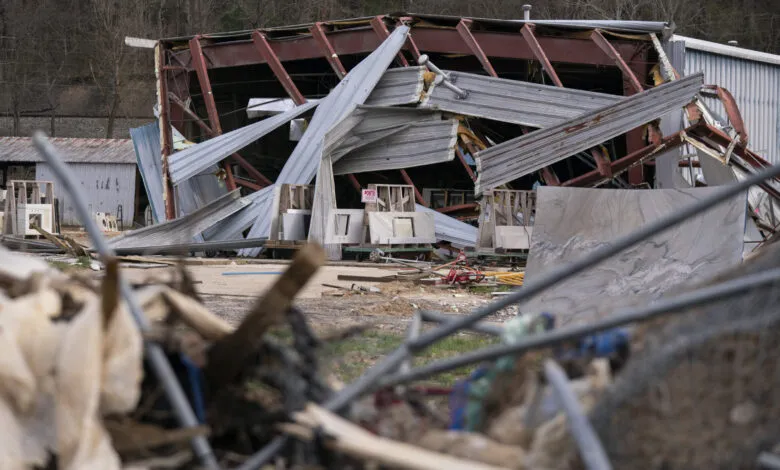
The stability of America’s pharmaceutical supply faces a growing threat from increasingly severe weather events linked to climate change. When Hurricane Helene struck western North Carolina in late 2024, it severely damaged a critical manufacturing plant responsible for producing 60 percent of the nation’s intravenous fluids. This facility, operated by Baxter International in Marion, supplied essential sterile solutions used widely in hospitals for rehydration, drug administration, and dialysis treatments.
In the storm’s aftermath, medical centers across the country were forced to ration remaining IV supplies, alter treatment protocols, and postpone surgeries. A survey revealed that more than 86 percent of healthcare providers experienced disruptions due to the shortage. Federal agencies responded by relaxing import restrictions and extending expiration dates to mitigate the crisis, but the incident underscored a deeply vulnerable supply chain.
This was not an isolated event. Even before the hurricane, drug shortages in the U.S. had reached record levels, with 323 active shortages reported. Although numbers have since declined slightly, the first quarter of this year still saw 253 ongoing shortages, according to the American Society of Health-System Pharmacists.
Extreme weather is emerging as a major disruptor in an already fragile system. A new study led by Harvard researchers and published in JAMA examines how frequently climate-related disasters impact American drug manufacturing sites, highlighting a troubling trend that is expected to worsen as global temperatures rise. The findings point to an urgent need for greater resilience in how vital medicines are produced and distributed.
(Source: Ars Technica)