Data Brokers Under Fire for Hiding Opt-Out Links From Google
▼ Summary
– Senator Maggie Hassan is pressuring major data brokers after an investigation found 35 firms hid opt-out tools from search results, making it harder for users to protect their privacy.
– Hassan demanded explanations from five top firms (IQVIA Digital, Comscore, Telesign Corporation, 6sense Insights, and Findem) regarding code that appears to obstruct deletion requests.
– California law requires data brokers to provide opt-out options, but many obscure these tools by blocking search indexing, which consumer advocates call an illegal “dark pattern.”
– Data brokers operate a multibillion-dollar industry trading detailed personal data—like location histories and political leanings—often without consent, fueling targeted ads and surveillance.
– Survivors of domestic violence and stalking face heightened risks, as data brokers collect and sell sensitive information, while opt-out processes remain cumbersome and ineffective.
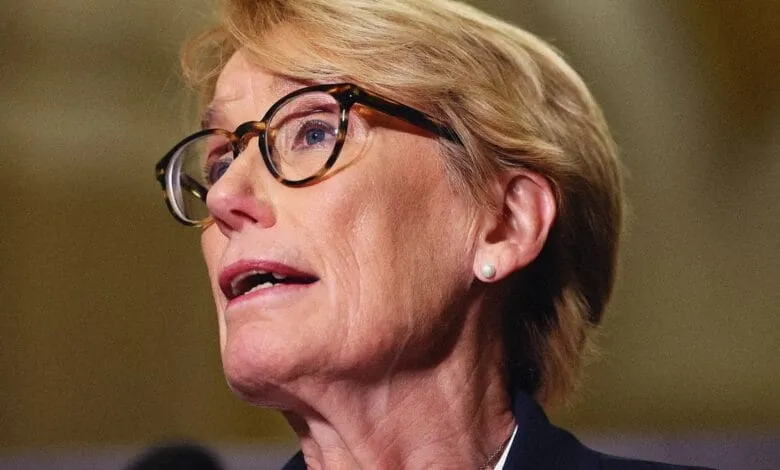
Privacy advocates and lawmakers are raising alarms after investigations revealed data brokers deliberately hiding opt-out links from search engines, making it nearly impossible for individuals to control their personal information. Senator Maggie Hassan has demanded answers from five major firms, IQVIA Digital, Comscore, Telesign Corporation, 6sense Insights, and Findem, after evidence showed they used technical measures to prevent their opt-out pages from appearing in Google search results.
California law mandates that data brokers provide clear methods for consumers to delete their personal data. Yet researchers found at least 35 companies employing tactics like blocking search engine indexing, burying links in fine print, or forcing users through unnecessary pop-ups and multiple screens. Consumer rights groups argue these practices amount to illegal “dark patterns”, design choices that manipulate users into surrendering privacy rights.
Senator Hassan’s letters demand the companies explain their use of anti-indexing code, disclose how many users were affected, and commit to removing such barriers by early September. She also seeks audit reports and details on any corrective actions taken since the investigation. “Americans deserve transparency about how their data is used,” Hassan emphasized, criticizing the industry for creating unnecessary hurdles.
The data brokerage industry, valued in the billions, thrives on collecting and reselling intimate details, from location histories to political views, often without consent. This shadowy trade fuels targeted advertising, law enforcement surveillance, and even risks endangering vulnerable groups like domestic abuse survivors. Advocacy groups warn that opting out remains a fragmented, exhausting process, as brokers frequently re-collect and republish personal data.
Recent policy shifts have only worsened the landscape. The Trump administration scrapped a proposed rule that would have reined in data sales by classifying some brokers as consumer reporting agencies. Meanwhile, intelligence agencies are reportedly building a centralized marketplace to access commercial data, bypassing traditional surveillance oversight.
“The industry’s predatory practices are systemic,” says Sean Vitka of Demand Progress, comparing the data trade to an uncontrollable tangle of exploitation. With companies resisting accountability, advocates argue stronger regulations, not voluntary fixes, are needed to protect privacy. As Hassan put it, “These firms must stop forcing people through labyrinths just to exercise their rights.”
(Source: Wired)