Hermeus Raises $350M at $1B Valuation
▼ Summary
– Hermeus, a Los Angeles defense startup, has raised $350 million in a funding round, achieving a $1 billion valuation.
– The company is developing autonomous hypersonic aircraft using an iterative approach, building one aircraft per year to tackle technical challenges for Mach 5 flight.
– It recently flew its second and largest demonstrator, about the size of an F-16, and has a third aircraft in development.
– A key strategic shift involved partnering with Pratt & Whitney to modify an existing F100 engine, accelerating development and opening government contracting opportunities.
– CEO AJ Piplica emphasizes accepting hardware failure as part of rapid development and cites talent acquisition as the company’s primary constraint, not capital or technology.
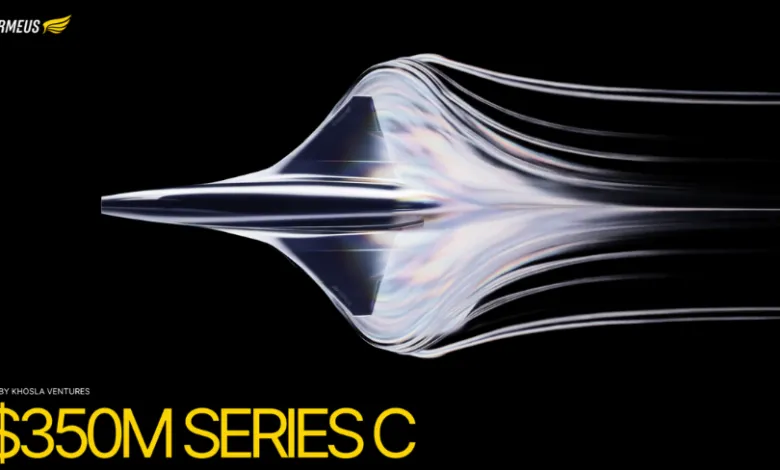
A Los Angeles-based defense startup focused on hypersonic aircraft development has secured a major $350 million funding round, achieving a valuation of $1 billion. The company, Hermeus, is pursuing an aggressive, hardware-focused development strategy to achieve Mach 5 flight. This significant capital infusion arrives during a period of renewed and substantial venture investment in the defense technology sector.
The funding consists of $200 million in equity, led by Khosla Ventures, with continued support from existing backers Canaan Partners, Founders Fund, In-Q-Tel, and RTX Ventures. New investors include the venture fund of Cox Enterprises and the publicly-traded Destiny Tech100. The remaining $150 million is structured as debt, a move designed to minimize dilution as the company scales its manufacturing operations.
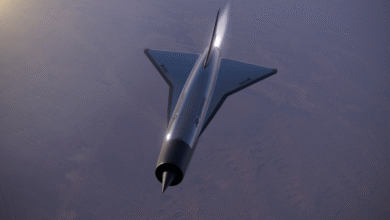
Founded in 2018, Hermeus employs a deliberate, year-by-year iterative approach. The company builds one new aircraft annually, with each prototype designed to conquer a specific technical hurdle on the path to sustained hypersonic speed. In March, the company successfully flew its second and largest demonstrator to date, an aircraft roughly the size of an F-16 fighter jet. This marked the program’s second first flight in under twelve months, and a third aircraft is already under development.
Central to this rapid pace is a cultural embrace of hardware risk. Chief Executive AJ Piplica frames potential failure not as a setback but as a planned milestone. He acknowledges that crashing an aircraft is a probable event in the development program, emphasizing that the company’s processes are established to ensure such tests occur safely. This philosophy of rapid iteration, build, and test draws direct inspiration from the development model pioneered by SpaceX.
A critical strategic shift several years ago helped pave the way for this fundraising success. Initially developing its own engine from scratch, Hermeus gained a new option after receiving investment from RTX Ventures, the venture arm of RTX Corporation. This connection allowed the startup to collaborate with RTX subsidiary Pratt & Whitney to adapt the proven F100 engine, which powers F-15 and F-16 fighters, for its hypersonic applications.
This partnership provided a reliable engine baseline for testing, accelerated the development timeline, and unlocked valuable government contracting avenues that are often closed to purely speculative technology projects. President Zach Shore notes the arrangement creates aligned incentives, simultaneously advancing the core technology, meeting near-term Department of Defense needs, and improving the company’s business economics.
The funding coincides with a notable surge in defense tech investment. Recent data indicates global venture funding for the sector surpassed $9 billion last year across hundreds of rounds, with corporate venture capital playing a significant role. Hermeus will direct its new capital toward expanding manufacturing capacity and growing its team. Piplica identifies talent acquisition as the single hardest constraint, noting there is an extremely limited pool of individuals with direct experience in this pioneering field of aerospace engineering.
(Source: The Next Web)