The State of Live-Service Games: A Critical Look
▼ Summary
– Fortnite’s live concert in Times Square exemplifies the immense cultural reach and peak success possible for a live-service game.
– The live-service game market is now a graveyard of rapid failures, with titles like Concord and Highguard shutting down shortly after launch.
– These games are financially appealing because they aim to generate ongoing revenue through in-game purchases, not just initial sales.
– The market is extremely difficult to break into because players have limited time and often remain loyal to established titles they’ve invested in.
– Maintaining a live-service game is very costly, requiring constant updates, which leads publishers to cancel games at the first sign of weak momentum.
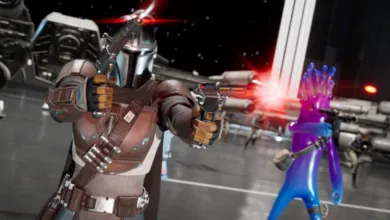
Remember that strange concert in Times Square with Ice Spice and Snoop Dogg? It wasn’t for a new album or a festival. It was a promotional event for Fortnite, a moment that perfectly captured the cultural peak of the live-service game. These titles are designed as persistent platforms, constantly updated with new content to keep players engaged and spending. When they succeed, they become immensely profitable and enduring fixtures in entertainment. However, the landscape for these games has grown increasingly hostile, transforming a gold rush into a field littered with high-profile failures.
The initial vision was compelling. Epic Games’ flagship title demonstrated how a live-service game could evolve beyond a simple pastime into a major cultural hub, hosting everything from virtual concerts to narrative events. This model promised not just a lucrative launch but a steady, recurring revenue stream from in-game purchases like character skins, weapons, and seasonal battle passes. Naturally, countless developers and publishers raced to replicate that success.
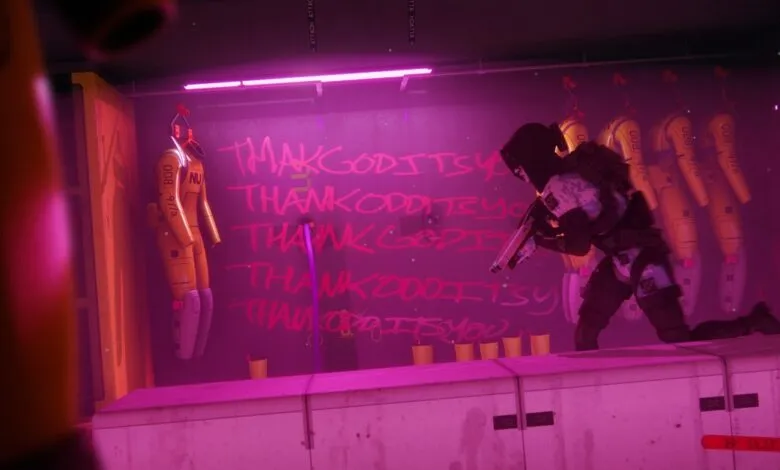
What we see now is a starkly different reality. The timeline for judging a game’s success has collapsed. Consider Concord, a Sony sci-fi shooter in development for eight years. It was canceled less than a month after its 2024 launch, with its studio closed immediately. More recently, the squad shooter Highguard shut down entirely less than two months after going live. Even established companies like Riot Games have laid off staff from new projects like 2XKO, citing a lack of the necessary “momentum.” The pattern is clear: new entrants are given almost no time to find an audience before publishers pull the plug, a brutal pace of failure unseen in traditional game development.
The core appeal of these games is also what makes the market so unforgiving. Unlike a standard video game you finish and set aside, live-service titles are built to monopolize a player’s time and attention, increasing the odds of microtransactions. Since time is a limited resource, only a handful of these games can maintain a massive player base. Established giants like Fortnite, League of Legends, Apex Legends, and Counter-Strike dominate because players have invested significant time and money into them, creating a powerful inertia that is incredibly difficult to overcome.
Furthermore, the operational costs are staggering. A live-service game is never truly “finished.” It demands continuous investment in bug fixes, server maintenance, and a relentless pipeline of fresh content, often structured around rigorous seasonal updates. Fortnite itself undergoes complete thematic resets every few years to stay relevant. This immense ongoing effort means that if a game doesn’t show explosive growth immediately, the financial risk becomes too great for many companies to bear, leading to swift cancellations.
This volatility even affects apparent successes. Last year, Electronic Arts celebrated the “biggest launch in franchise history” for Battlefield 6, a title so large it required four studios to support it. Yet, this very week, all four of those studios faced layoffs as EA sought to “better align” its teams, demonstrating how fragile even a major launch can be in this space.
Looking ahead, the industry may be reaching an inflection point. The potential rewards of a hit live-service game remain alluring, but the frequency of costly, public failures is impossible to ignore. Perhaps companies will begin to recalibrate their expectations and investments. It’s worth noting that one of the industry’s most consistently successful players, Nintendo, has thrived primarily by selling complete games the traditional way, only cautiously experimenting with live-service models. The battle royale in Fortnite drops 100 players onto an island to fight until one remains. The business of live-service games isn’t quite that brutal, but the competition is getting closer every day.
(Source: The Verge)