US Air Force’s New ICBM Awaits Deployment Amid Storage Dilemma
▼ Summary
– The US Air Force’s new Sentinel ICBM is scheduled for its first test flight next year.
– The program will replace the aging Minuteman III fleet, with the first missiles becoming operational in the early 2030s.
– The total cost, completion date for hundreds of new silos, and final warhead capacity per missile remain undetermined.
– The recent expiration of the New START treaty allows the Air Force to consider equipping each Sentinel with multiple warheads.
– The program’s budget has nearly doubled, but it was deemed too essential to national security to cancel.
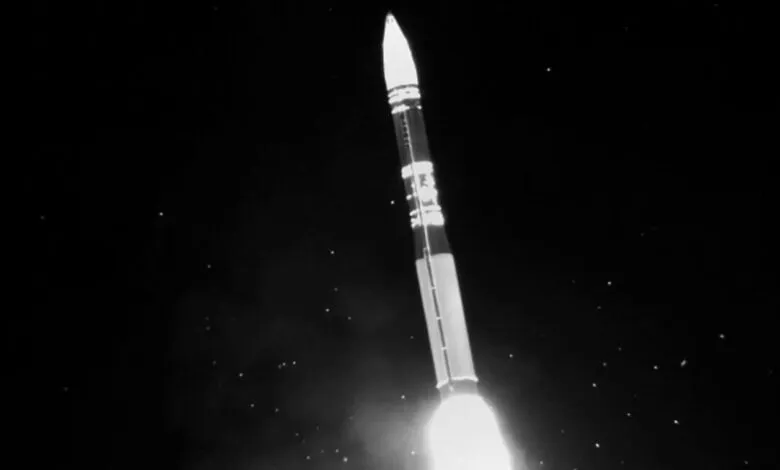
The US Air Force’s next-generation Sentinel intercontinental ballistic missile is progressing toward a pivotal test flight next year, yet significant uncertainties remain regarding the schedule and ultimate configuration of the broader deployment. Military leaders recently confirmed the timeline for initial testing, but major questions persist about the final cost, the construction schedule for hundreds of new launch silos, and the specific number of nuclear warheads each missile will carry.
This ambitious program, designated the LGM-35A Sentinel, is slated to replace the aging Minuteman III fleet that has formed the land-based leg of America’s nuclear triad since the 1970s. The first operational Sentinel missiles are expected to enter service in the early 2030s. However, completing the entire force of missiles and the 450 hardened underground silos needed to house them will extend well beyond that initial date.
A key variable in the Sentinel’s design is its payload capacity. For years, the New START treaty with Russia prohibited the US from deploying land-based missiles with multiple independently targetable warheads, known as MIRVs. That treaty formally expired in early February, removing a major constraint. This development opens the door for the Air Force to potentially equip each Sentinel with several warheads instead of a single one, a decision that would significantly alter the missile’s strategic impact and the overall size of the US nuclear arsenal.
Senior officials provided updates on the complex program during briefings at the Air and Space Forces Association’s annual symposium near Denver. The discussions highlighted both the technical milestones and the substantial management challenges the project has faced. Notably, the program’s projected cost ballooned dramatically two years ago, surging from an initial estimate of $77.7 billion to nearly $141 billion.
This massive cost overrun triggered a formal review process known as a “Nunn-McCurdy breach,” a congressional mechanism named for its sponsoring lawmakers that mandates scrutiny when a major defense acquisition program exceeds its budget by a specific threshold. Following this mandatory review in 2024, the Pentagon concluded that the Sentinel was simply too critical to US national security to cancel, ensuring its continuation despite the soaring price tag.
(Source: Ars Technica)