FBI Asset Ran Dark Web Site Selling Fentanyl for Years
▼ Summary
– A father testified at the sentencing of Lin Rui-Siang, describing the fentanyl overdose death of his son from pills sold on the dark web market Incognito.
– Lin, the convicted administrator of Incognito, was sentenced to 30 years in prison for facilitating over $100 million in narcotics sales.
– Lin’s defense revealed an FBI informant helped run the marketplace for years, at times approving sales of products flagged as potentially containing fentanyl.
– Lin claims the informant was an equal partner who managed the vast majority of the site’s day-to-day operations and transactions.
– The prosecution counters that the informant was Lin’s subordinate and rejects the attempt to shift blame for the fentanyl sales to the FBI.
The recent sentencing of a dark web marketplace administrator has unveiled a disturbing and complex narrative, raising profound questions about law enforcement tactics in the digital underworld. Lin Rui-Siang, the 25-year-old operator of the Incognito market, received a 30-year prison sentence for his role in a platform that facilitated over $100 million in narcotics sales. The case took a startling turn when the defense revealed that an FBI confidential informant had been deeply embedded in the site’s operations for nearly two years, even as it sold fentanyl-laced drugs that proved fatal.
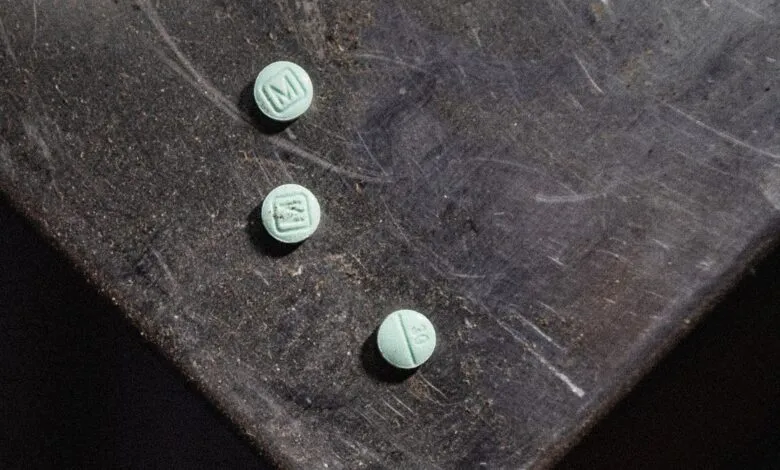
During the emotional sentencing hearing, Dr. David Churchill described finding his 27-year-old son, Reed, dead from a fentanyl overdose. The pills that killed the young tennis player, marketed as oxycodone, were sold through Incognito. Churchill directly addressed Lin, stating he wanted him to remember his son’s face while incarcerated. Moments later, Lin’s defense attorney, Noam Biale, shifted the focus, alleging the government shared responsibility. He argued that an FBI source worked alongside Lin, possessing the authority to remove vendors but at times allowing the sale of products suspected to contain the banned opioid.
From jail, Lin himself claimed this informant was an equal partner who managed the vast majority of the marketplace’s daily functions. He stated the individual handled dispute resolution and decided which vendors could operate, overseeing what was described as ninety-five percent of all transactions. Lin maintained that while he controlled the technical infrastructure, the informant ran the site’s core commercial operations. This portrayal paints a picture of an active government agent deeply involved in facilitating illicit sales.
Federal prosecutors vigorously dispute this characterization. In their court filings, they contend the informant acted under Lin’s direction as a subordinate, not an equal partner. They reject any attempt to shift blame for the fentanyl sales onto the FBI, arguing Lin was the ultimate authority behind the criminal enterprise. The Department of Justice has declined to comment beyond its legal submissions, and the FBI did not respond to inquiries.
This case underscores the murky ethical and legal boundaries of undercover operations in dark web investigations. The central conflict lies in whether the informant was a partner mitigating harm or a subordinate following orders. For families like the Churchills, the revelation adds another layer of tragedy to their loss, prompting difficult questions about the methods used in the pursuit of justice and whether they inadvertently allowed further devastation. The lengthy sentence for Lin stands, but the case leaves unresolved the troubling implication that federal agents may have been complicit in the very crimes they were investigating.
(Source: Wired)