Nintendo Stock Plummets 10% on Memory Chip Shortage Fears
▼ Summary
– Nintendo’s shares fell sharply after it missed quarterly revenue estimates and faces challenges from a global memory chip shortage.
– Despite the revenue miss, the company’s profit rose significantly, driven by strong ongoing sales of its Switch console.
– A severe shortage of DRAM memory chips, driven by AI and data center demand, is increasing costs and threatening Nintendo’s future profitability.
– Analysts express concern about the Switch 2 console’s momentum and first-year performance compared to its highly successful predecessor.
– Nintendo’s future success hinges on its upcoming game releases and a major movie to drive Switch 2 adoption, with 2026 seen as a critical year.
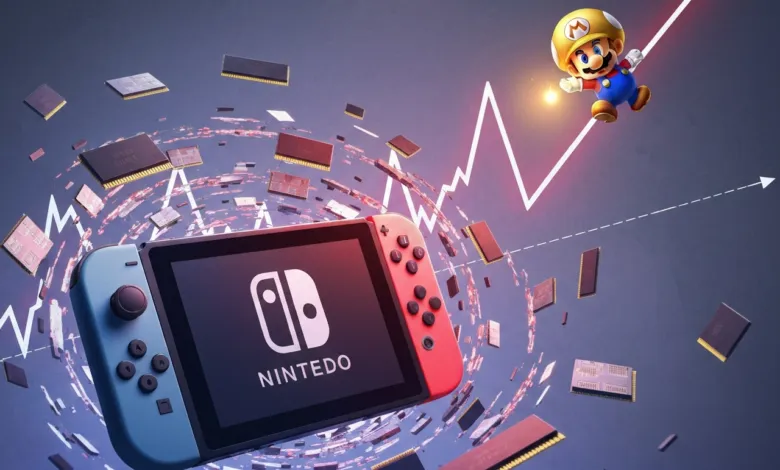
Nintendo’s stock experienced a significant drop this week, falling over 10% as investor concerns mount over rising memory chip costs and the long-term sales trajectory of its latest console. This sharp decline came despite the company reporting a strong annual profit increase of 24%, driven by the enduring popularity of its Switch platform. Revenue also saw a substantial jump of 86% year-over-year. However, the specter of soaring memory chip prices and questions about the Switch 2’s market momentum overshadowed these positive results.
The core issue centers on a global shortage of DRAM, a type of memory essential for gaming consoles. This shortage is largely fueled by explosive demand from the artificial intelligence and data center sectors. Industry analysis indicates contract prices for these chips could nearly double in the current quarter. While Nintendo’s president stated the price hikes haven’t yet severely impacted this year’s financials, he acknowledged that sustained high costs would threaten future profitability.
This supply chain pressure leads to a critical question for consumers: will console prices rise? Industry experts suggest that if memory costs remain elevated, Nintendo may have little choice but to pass some of the increase to customers. Such a move could be challenging, as the Switch 2 is already a premium-priced device aimed at a broad, sometimes budget-conscious audience.
Beyond component costs, analysts point to investor anxiety regarding the Switch 2’s market performance. The console’s first year is crucial, and comparisons are inevitably made to the phenomenal debut of the original Switch. Replicating that initial success is a tall order, creating high expectations that are difficult to meet. The company maintained its full-year sales forecast for the device, but the market reaction suggests some skepticism about achieving those targets.
Nintendo’s strategy to drive Switch 2 adoption heavily relies on its upcoming software lineup. The company plans to release major titles from its most beloved franchises in the coming months, including a new Mario Tennis game and a Pokémon adventure. Furthermore, the anticipated release of a second Super Mario film in April could provide a significant sales boost, mirroring the positive effect the first movie had on the brand.
Looking ahead, industry observers note that 2026 is shaping up to be a pivotal year for the Switch 2. This period will be critical for Nintendo to demonstrate the console’s mass-market appeal and secure its position in the competitive gaming landscape. The company’s share price, which has fallen more than 15% since the start of the year, reflects the significant challenges it must navigate between supply chain pressures and consumer demand.
(Source: CNBC)