Apple AirTag Controversy: Tracking Tim Cook’s Lost Fans?
▼ Summary
– Apple released a second-generation AirTag with new features for finding lost items, though its design and price remain unchanged.
– CEO Tim Cook’s attendance at a White House event sparked significant backlash and calls for an Apple boycott on social media.
– Cook’s subsequent statement to staff was criticized as bland compared to his previous strong stances on social issues.
– Apple also launched a new subscription service called Apple Creator Studio, which may face consumer resistance to ongoing fees.
– The article suggests Apple is entering a busy year, with public pressure over its actions being a key issue to watch.
Apple’s latest product launch arrives amid a complex moment for the company, as new hardware meets significant public relations challenges. The second-generation AirTag tracker promises improved utility for locating everyday items, yet many observers feel the tech giant itself has lost direction on more consequential matters. This week’s developments highlight the tension between innovative product updates and the growing scrutiny of corporate leadership during times of social unrest.
Our evaluation of the new AirTag confirms it retains the familiar design and price point of its predecessor. The upgrades, however, are practical: better precision finding, louder speakers, and enhanced water resistance. Testing reveals these refinements make a tangible difference when searching for misplaced belongings like keys or bags. While the core function remains unchanged, the incremental improvements solidify its position as a convenient tool for organization.
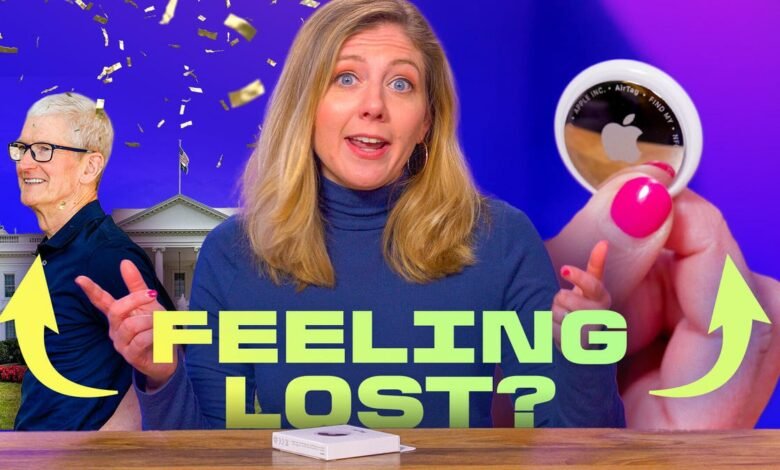
Parallel to this product release, a separate controversy has captured the attention of Apple’s customer base. Photographs of CEO Tim Cook attending an exclusive gathering at the White House sparked immediate and vocal criticism across social media platforms. The event, a VIP party for a film screening, occurred shortly after the public witnessed disturbing footage of a nurse’s death involving border agents. For many longtime supporters, Cook’s presence represented a stark and disappointing contrast to his previous public stances on social justice issues.
The executive later circulated an internal memo addressing the situation, but the response was perceived as notably muted. Where Cook had once been vocal on topics like immigration policy and privacy rights, this communication lacked a similar forcefulness. This discrepancy has fueled calls for a consumer boycott and ignited debates about corporate accountability and the alignment of actions with stated values. Whether this sentiment translates into measurable financial impact remains to be seen, but it undoubtedly applies pressure on the company’s public image.
Further complicating the week’s narrative was the introduction of Apple Creator Studio, a new subscription bundle for creative software. This move continues the industry-wide shift toward recurring revenue models, moving away from one-time software purchases. While it offers convenience and continuous updates, it also raises familiar questions about true ownership in the digital age and whether users are comfortable with perpetual payments for access to tools.
The confluence of these events paints a picture of a corporation navigating multiple fronts. On one hand, it continues to refine its ecosystem of devices and services. On the other, it faces intensified examination of its leadership’s decisions beyond the showroom floor. How Apple manages this balance between commerce and conscience will likely define its relationship with customers throughout the coming year.
(Source: CNET)