PopWheels Swaps Food Cart Generators for E-Bike Batteries
▼ Summary
– Food carts in New York City traditionally use smelly, noisy gas generators to power their operations, which can deter customers.
– The startup PopWheels is testing a solution using its existing network of e-bike batteries to power food carts, starting with a cart in Manhattan.
– PopWheels operates a network of charging cabinets for e-bike delivery workers, offering a subscription service that is cheaper than existing charging options.
– The company’s expansion into powering food carts is based on calculations showing their battery service could be cost-neutral with gasoline while eliminating noise and fumes.
– After a successful prototype test, PopWheels plans an aggressive rollout of this service for food carts starting in the summer.
The familiar scent of a New York City food cart is a beloved part of the urban experience, but the noisy, fume-spewing gasoline generators that power them are not. A Brooklyn startup is tackling this problem with an innovative solution: using its network of swappable e-bike batteries to provide clean, quiet electricity for street vendors. This pilot program represents a significant step toward decarbonizing a classic city industry while leveraging existing infrastructure.
What began as an informal experiment has evolved into a promising new business avenue for PopWheels. The company’s CEO, David Hammer, described the initial idea as a casual side project. The core realization was that their established battery-swapping network for delivery riders could be adapted for other uses. The critical question wasn’t whether e-bike batteries were the perfect energy source for carts, but whether the company could solve the practical challenges of distribution and charging. Their existing system, built to serve hundreds of riders with a limited number of battery types, provided a ready-made foundation.
For many delivery workers, the cost of keeping their e-bikes powered is substantial. Riders often pay around $100 monthly at local bodegas for charging, with total annual costs nearing $2,000 when accounting for battery degradation. PopWheels offers unlimited access to its swap network for $75 per month, providing immediate savings and building a lengthy waitlist. The company’s charging cabinets are designed with safety as a priority, featuring systems to swiftly suppress potential battery fires, a key concern that originally inspired the startup’s founding.
The infrastructure itself is relatively modest. Swap stations are set up in small spaces like parking lots, retrofitted with fencing and electrical connections. Each cabinet draws a similar amount of power to a standard Level 2 electric vehicle charger. This scalable, fire-safe network sparked the team’s imagination for broader applications. After reading about city efforts to clean up food cart operations, Hammer and his team ran the calculations.
They estimated a typical cart spends roughly $10 daily on gasoline for its generator, separate from propane used for cooking. Conveniently, a subscription for four PopWheels batteries costs about the same amount. Those four batteries can deliver approximately five kilowatt-hours of electricity, covering the basic power needs for lighting and equipment. If a vendor needs more power during a busy shift, they can simply swap their depleted batteries for fresh ones at a nearby station midday, eliminating downtime and fumes.
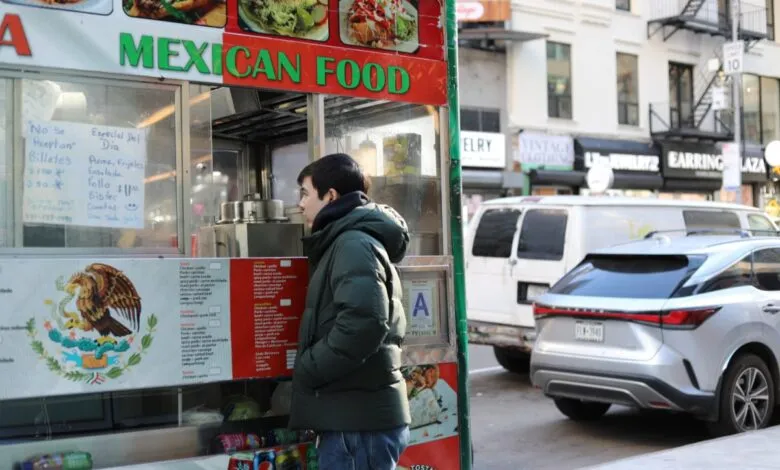
Following a successful prototype test during New York Climate Week, PopWheels partnered with the Street Vendor Project to advance the concept. A recent full-day demonstration powering the La Chona Mexican cart marked a major milestone. The immediate reaction from other vendors highlighted a key benefit: the silent operation. Multiple cart owners approached, intrigued by the lack of generator noise and eager to participate.
The startup plans an aggressive rollout beginning this summer. The goal is to achieve cost parity with gasoline for cart owners while solving significant quality-of-life issues like noise, air pollution, and the logistical hassle of refueling. By repurposing its battery-swapping infrastructure, PopWheels is creating a versatile new layer of urban energy distribution with the potential to transform city streets.
(Source: TechCrunch)