Big Tech Outmaneuvers MAGA Populists After One Year
▼ Summary
– Steve Bannon initially celebrated Big Tech CEOs becoming “supplicants” to Donald Trump after years of perceived opposition.
– A year later, the article suggests tech industry influence has weakened MAGA’s hold on Trump through political donations.
– Trump’s defense of H1-B visas for tech workers caused significant outrage and a rift within his MAGA base.
– Trump’s governing style historically pits factions against each other, but by 2024, MAGA populism had consolidated internal power.
– The author notes the unexpected sway of tech CEOs and finds it telling that Bannon is now reportedly considering his own presidential run.
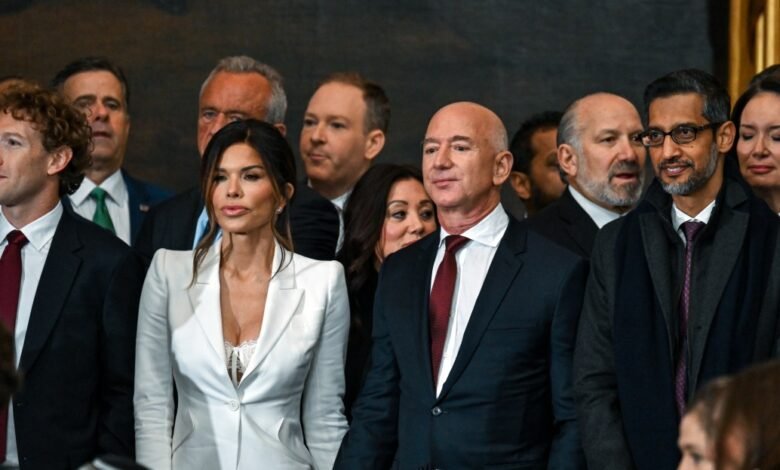
A year has passed since influential MAGA populists celebrated what they saw as a decisive victory over Silicon Valley. Observing major tech CEOs gather around the incoming administration, figures like Steve Bannon declared that the movement had finally broken the power of the oligarchs. These executives, once criticized for undermining the previous Trump presidency, appeared as “supplicants” seeking favor from a leader who had installed regulators ready to challenge their dominance. The narrative was clear: populist forces had tamed Big Tech.
The reality today tells a different story. Rather than being subdued, major technology firms have effectively outmaneuvered their populist critics, leveraging political donations and strategic lobbying to protect their interests. The dynamic has shifted from confrontation to a more calculated, if uneasy, alignment. This is evident in policy areas where the administration’s stance has softened, moving away from hardline populist positions that threatened the tech industry’s operational model.
One clear example involves immigration policy. Last fall, a defense of the H1-B visa program for skilled foreign tech workers sparked significant backlash from the nativist wing of the base. The suggestion that American workers might lack certain specialized talents needed by tech companies created a notable rift. While broader immigration policy was tightened, the preservation of this key visa program highlighted a major concession to industry demands, signaling that corporate lobbying power had tempered populist ambitions. The tension between “America First” rhetoric and the practical needs of a globalized tech sector became impossible to ignore.
This outcome aligns with a long-standing pattern. The political environment has always been characterized by internal competition for influence. During the first term, various factions, from Wall Street to the party establishment, vied for attention. In the current landscape, with many traditional power centers subdued, the populists believed they had secured unchallenged dominance. They have certainly achieved policy wins in areas like justice and homeland security. Yet, on economic issues critical to Silicon Valley, their influence has waned. The tech giants, initially perceived as vulnerable, have proven adept at navigating the political arena to safeguard their access to global talent and avoid aggressive antitrust action.
The result is a complex and telling political realignment. The individual who once boasted about plans to break tech oligarchs is now reportedly considering a presidential run, perhaps a sign of diminished influence within the current power structure. Meanwhile, the CEOs who were once applauding in the Rotunda have successfully defended their core interests, demonstrating that financial and strategic political engagement often trumps ideological fervor. The anticipated populist revolution against Big Tech has, for now, been outmaneuvered by corporate resilience and political pragmatism.
This week, with the Senate in recess, attention turns to behind-the-scenes negotiations affecting tech finance. Key discussions around market structure legislation, such as the CLARITY Act, are ongoing, often away from the public eye in venues like Davos. The details of these talks will shape the regulatory landscape for cryptocurrencies and digital assets in the coming year.
As these high-stakes conversations continue, it serves as a reminder of the enduring power of concentrated industry influence. The lesson from the past year is that while political movements capture headlines, sustained access and lobbying frequently determine policy outcomes.
(Source: The Verge)