Asus Scraps RTX 5070 Ti Amid Memory Shortage
▼ Summary
– Asus is ending production of its RTX 5070 Ti and 16GB RTX 5060 Ti models due to a supply shortage, placing them in end-of-life status.
– Nvidia confirms it is still producing these GeForce RTX GPUs but acknowledges strong demand and constrained memory supply.
– The supply issue appears specific to Asus, as the company doubts it will receive enough components to justify continued production.
– In contrast, PNY states its Dual-Slot Slim RTX 5070 Ti model is on schedule to begin shipping in February to major retailers.
– Memory supplier Micron explains it is limiting product variations to maximize output, which contributes to constraints on more affordable GPU models.
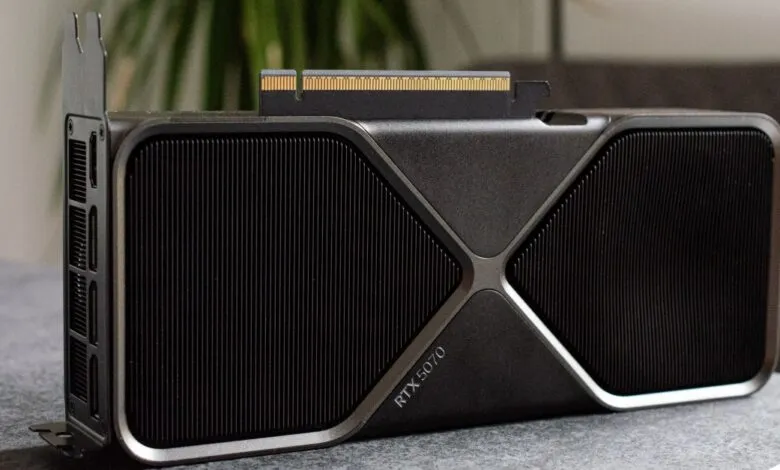
A significant memory supply shortage has forced Asus to halt production of its RTX 5070 Ti graphics card, placing the model into an end-of-life status. This move highlights the ongoing component constraints affecting the broader tech industry, particularly for more affordable GPU models. The company also indicated its 16GB RTX 5060 Ti faces similar supply challenges, with Australian retailers reportedly struggling to source these products. Nvidia confirmed that memory supply is constrained but stated it continues to ship all GeForce RTX SKUs, working with suppliers to improve availability.
The situation appears specific to Asus’s production decisions rather than a complete halt from Nvidia. According to follow-up reports, the question remains whether other add-in-board partners will receive sufficient component supply to maintain their own production lines. Asus’s assessment suggests they do not believe the supply will justify continued manufacturing of these particular models. The company has not provided additional public comment on the decision.
Other manufacturers, however, indicate their plans remain unchanged. For instance, PNY has confirmed that its newly announced Dual-Slot Slim RTX 5070 Ti is still scheduled to begin shipping in February. This model is expected to be available through major retailers including Best Buy, Micro Center, and Amazon. This contrast suggests the production impact may vary significantly between different board partners based on their specific supply agreements and inventory strategies.
The constraints are hitting mid-range and more affordable 50-series GPUs first, a trend that industry analysts find unsurprising. Memory manufacturers like Micron are currently optimizing production to maximize output, which sometimes means limiting the variety of memory configurations produced. As explained by a Micron executive, transitioning production between different memory densities, such as from 12GB to 16GB modules, can temporarily reduce overall output. The strategy is to stabilize demand to achieve a steadier supply, but this can limit flexibility for partners seeking specific components.
This scenario creates a challenging landscape for consumers seeking the latest generation of graphics cards at accessible price points. While high-end models may remain available, supply chain pressures are clearly impacting the rollout and sustained production of key mid-tier products. The coming months will reveal whether other manufacturers follow Asus’s lead or if the supply chain can adapt to meet the robust demand for these popular GPU models.
(Source: The Verge)


