The Biggest CES 2026 Absences: What Was Missing
▼ Summary
– Apple has never been an official attendee of CES, historically participating in Macworld Expo instead until 2009.
– Since 2009, Apple has abandoned tradeshows to host its own announcement events, controlling its schedule and media attention.
– Apple’s two major, predictable announcement events are the WWDC keynote in June and the fall iPhone launch in September.
– By running independent events, Apple avoids sharing the spotlight and prevents its news from being overshadowed at crowded tradeshows.
– This strategy of independent, scheduled announcements has been adopted by other major companies like Sony, Xbox, and Nintendo.
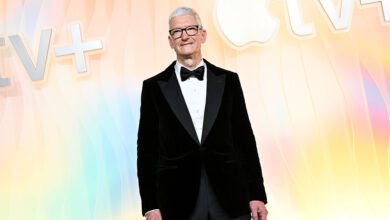
The annual Consumer Electronics Show remains a massive spectacle, but a closer look reveals some significant industry giants consistently choose to skip the Las Vegas frenzy. Their absence isn’t an oversight; it’s a deliberate and highly successful strategy that has reshaped how tech news is delivered. Apple’s notable no-show at CES is a prime example of this calculated approach. The company has not been an official exhibitor for decades, having long preferred the controlled environment of its own dedicated events. This allows Apple to command the undivided attention of the media and consumers on its own schedule, a powerful advantage over competing for headlines at a crowded trade show.
This strategy didn’t emerge overnight. For years, Apple centered its efforts around Macworld Expo, which conveniently coincided with CES. Since ending its official participation there in 2009, the company has perfected the art of the solo product launch. By creating its own announcement calendar, Apple avoids being constrained by external event schedules, which provides tremendous flexibility for managing hardware production and software development timelines. More importantly, it ensures their news isn’t drowned out by a flood of competing announcements from other brands.
Apple’s predictable annual rhythm now dominates the tech calendar. The company’s two major tentpole events are widely anticipated: the Worldwide Developers Conference (WWDC) in early June for software and occasional hardware, and the flagship iPhone unveiling in September. These dates are so influential that other companies typically avoid scheduling competing launches, knowing their message would be overwhelmed. This level of influence is akin to a major music label steering clear of releasing an album on the same day as a top global artist.
The shift away from trade shows has been accelerated by the rise of high-quality online streaming. Pre-recorded keynotes and digital events allow for flawless presentation and global reach without the logistical hurdles and costs of a physical booth. Following Apple’s lead, other major players like Sony, Microsoft, and Nintendo have also adopted this model, preferring to host their own tailored events for consoles and gaming news. They recognize the value in owning the narrative completely rather than sharing a stage.
Ultimately, the absence of these tech titans from CES speaks to a broader evolution in marketing and communication. By controlling their own event schedules, companies like Apple avoid the clutter of a major trade show and command exclusive media focus. This approach grants them autonomy over their supply chain and launch timelines, turning a notable absence into a formidable strategic advantage. The trade show floor may buzz with innovation, but some of the biggest news deliberately happens elsewhere, on terms set entirely by the companies themselves.
(Source: TECH POWER UP)