Pentagon’s Influencer Press Corps Fails Its First Big Test in Venezuela

▼ Summary
– The Pentagon replaced mainstream military reporters with a new press corps of right-wing influencers after introducing a restrictive press policy that major outlets refused to accept.
– These new, credentialed influencers have not reported any new information on the Venezuela operation, instead creating supportive memes and attacking critics.
– Their behavior mirrors pro-war bloggers from the Iraq war era, focusing on enforcing loyalty and pushing supportive narratives rather than journalism.
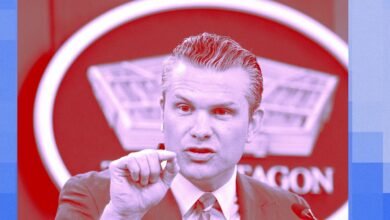
– Defense Department press secretary Kingsley Wilson, formerly of a pro-Trump think tank, attacked the departed legacy media and stated the new model aims to reach Americans through new media.
– The influencers have diverted attention to other stories, like alleged childcare fraud in Minnesota, rather than covering Pentagon briefings on major events.
The recent events in Venezuela have cast a stark light on the Pentagon’s controversial new press strategy, which has effectively replaced traditional military journalists with a cadre of right-wing social media influencers. As news broke of the operation involving President Nicolás Maduro, these newly credentialed figures were notably absent from substantive reporting. Instead, their activities mirrored a familiar pattern of enforcing political loyalty and amplifying partisan narratives, raising serious questions about the initiative’s purpose and its impact on public information.
In the critical hours following the incident, members of this unconventional press corps were engaged in tasks far removed from journalism. Laura Loomer attempted to identify Pentagon officials who might have spoken to mainstream outlets. Influencer Cam Higby focused on the potential for viral social media content, while Monica Paige of Turning Point USA reposted old political attacks. Joey Mannarino, another influencer with a large following, diverted attention to speculative debates about future presidential elections. Their collective response underscored a fundamental shift in how the Defense Department now engages with the media.
This shift was formalized last November when the Pentagon introduced a restrictive press policy. The rules essentially barred journalists from seeking information not explicitly released by officials, a move that prompted major networks and newspapers to withdraw their Pentagon correspondents. The resulting vacuum was quickly filled by voices from organizations like Turning Point USA and independent creators such as Tim Pool, all known for their alignment with certain political perspectives. The department’s press secretary, Kingsley Wilson, openly celebrated this change, criticizing the departed “legacy media” and championing outlets that “actually reach Americans.”
The clear absence of any new reporting or even official briefings for these influencers regarding the Venezuela situation speaks volumes. Rather than acting as a conduit for information, the group has largely produced memes and posts offering blanket support for the operation. Several have pivoted to amplifying unrelated stories trending in partisan online circles, like alleged fraud in Minnesota, instead of pursuing facts about a significant international military action. This approach seems designed not to inform, but to rally a pre-existing audience around a sanctioned narrative.
The dynamic bears an uncomfortable resemblance to the pro-war blogger phenomenon during the Iraq invasion. At that time, online commentators built followings by aggressively attacking critics in the press and promoting justifications for the conflict. A similar tone is evident now, with some Pentagon-credentialed creators resorting to derogatory insults against lawmakers who question the Venezuela raid and openly advocating for further military actions abroad. The parallel suggests a strategic repurposing of digital influencers to manage public perception and counter dissent, rather than to fulfill the traditional watchdog role of the press.
Ultimately, the first major test of this influencer press corps has revealed its core function. It has not provided transparency or held power to account. Instead, it has served as a promotional channel, creating content that aligns with departmental interests while disregarding journalistic inquiry. The events in Venezuela demonstrate that this model prioritizes message control over the public’s right to know, leaving a critical gap in credible defense reporting at a time when it is most needed.
(Source: Wired)