2026’s Most Anticipated Space Launches and Landings
▼ Summary
– 2026 is anticipated to be a major year for space exploration, following a dramatic 2025 with record launches and breakthroughs.
– NASA’s Artemis II mission aims to launch in 2026, sending a crew of four astronauts on a 10-day flight around the Moon.
– This will be the first crewed mission for NASA’s SLS rocket and Orion spacecraft, marking the first human travel to the Moon’s vicinity in over 54 years.
– The mission is in final preparations, with a potential launch as early as February, though a spring or summer launch is also likely.
– The article assesses a 90% chance the Artemis II mission will occur within 2026, though it does not guarantee a successful outcome.
The coming year promises to be a landmark period for space exploration, with a packed schedule of missions aiming to return humans to the Moon, launch powerful new rockets, and deploy advanced scientific observatories. The collective efforts of NASA, international partners, and private companies are setting the stage for a new era of discovery and commercial activity beyond Earth.
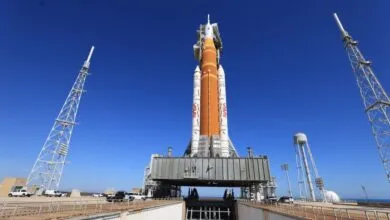
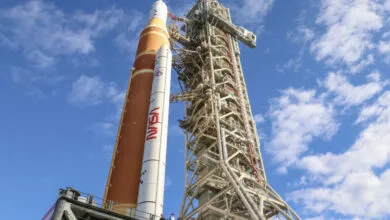
A major focus is the long-awaited return of astronauts to lunar space. For the first time in over five decades, crews are preparing to journey to the Moon’s vicinity. The Artemis II mission stands as the most significant milestone on this path. Final preparations are actively progressing at NASA’s Kennedy Space Center in Florida. The massive Space Launch System rocket and the Orion crew capsule are already assembled inside the Vehicle Assembly Building. In the coming weeks, the entire stack is expected to roll out to the launch pad for a critical dress rehearsal of the countdown sequence.
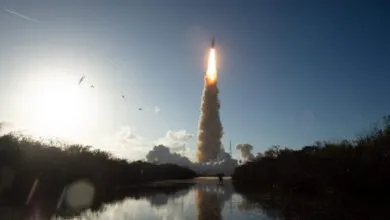
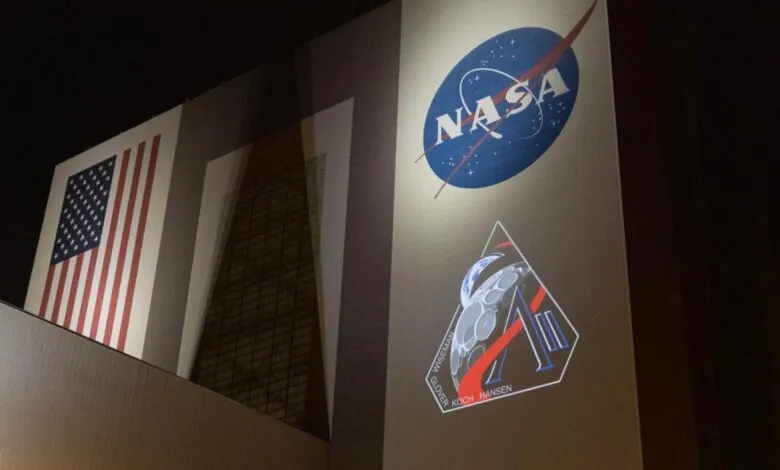
If all goes according to plan, the mission could launch as early as February. Commander Reid Wiseman, pilot Victor Glover, and mission specialists Christina Koch and Jeremy Hansen would then embark on a roughly 10-day voyage. Their trajectory will take them around the far side of the Moon before returning to Earth, marking the first crewed flight for both the SLS and Orion. While a launch delay into the spring or summer remains possible, the mission is on solid footing. The likelihood of Artemis II launching within the year is considered very high.
Beyond this historic crewed flight, 2026 is slated to see the debut of several next-generation launch vehicles. These new rockets are designed to increase launch capacity and reduce costs, which is essential for sustaining a permanent human presence on the Moon and enabling future missions to Mars. Simultaneously, scientists are preparing to send sophisticated new telescopes and probes into space. These instruments will peer deeper into the cosmos than ever before, studying the formation of galaxies, the atmospheres of distant exoplanets, and the fundamental laws of physics.
The year’s lineup reflects a dynamic shift in how space exploration is conducted. It is no longer solely the domain of government agencies; commercial entities are now pivotal players, developing critical hardware and competing to provide launch and landing services. This collaboration is accelerating the pace of innovation and opening new possibilities. While the schedule is ambitious and technical challenges could always introduce delays, the momentum behind these projects suggests 2026 will be a year filled with monumental achievements and awe-inspiring moments.
(Source: Ars Technica)