Court Blocks Research Funding Cuts, Upholds Congress
▼ Summary
– The Trump administration ordered the NIH to drastically cut indirect cost funding for university research grants, which covers essential overhead like utilities and facility maintenance.
– The proposed policy aimed to replace negotiated rates with a flat 15% rate, a change that would have been financially crippling for many institutions.
– Universities and medical organizations sued, leading a district court to issue a permanent injunction blocking the policy change.
– An appeals court upheld the injunction, noting Congress had previously blocked a similar attempt, leaving the funding intact unless the Supreme Court intervenes.
– Indirect costs are vital and vary by location, so the NIH uses a negotiated formula and audits to ensure funds cover actual expenses like lab space and specialized staff.
A recent federal court decision has preserved a critical funding mechanism for scientific research at universities across the United States. The ruling blocks a policy that sought to impose a severe, one-size-fits-all cap on the reimbursement of indirect costs associated with federally funded research grants. These funds are essential for covering the real-world expenses of conducting science, including laboratory utilities, specialized animal facilities, and the maintenance of research buildings. The court’s action underscores the importance of this financial support system for the nation’s research infrastructure.
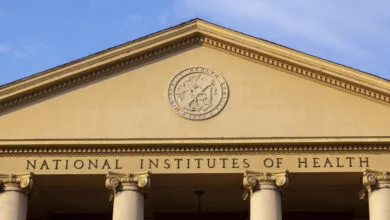
The challenged policy originated during the previous presidential administration, which directed the National Institutes of Health to slash these reimbursements to a uniform rate. The proposed flat rate would have disregarded the significant variation in operational expenses faced by institutions in different geographic regions. For many universities, particularly those in high-cost urban areas where facility and salary expenses are substantially greater, such a drastic reduction would have been financially devastating. Historically, reimbursement rates are determined through a negotiated process based on a detailed assessment of an institution’s legitimate expenses.
In response to the proposed cuts, a coalition of states joined by major university and medical school associations filed a lawsuit. A district court first halted the policy’s implementation and later issued a permanent injunction against it. Federal attorneys appealed that decision, but a higher court has now affirmed the injunction. The appeals court noted that a nearly identical effort had been attempted before and was explicitly rejected by Congress, which passed a rule to protect the existing funding structure. This legal precedent proved decisive in the latest ruling.
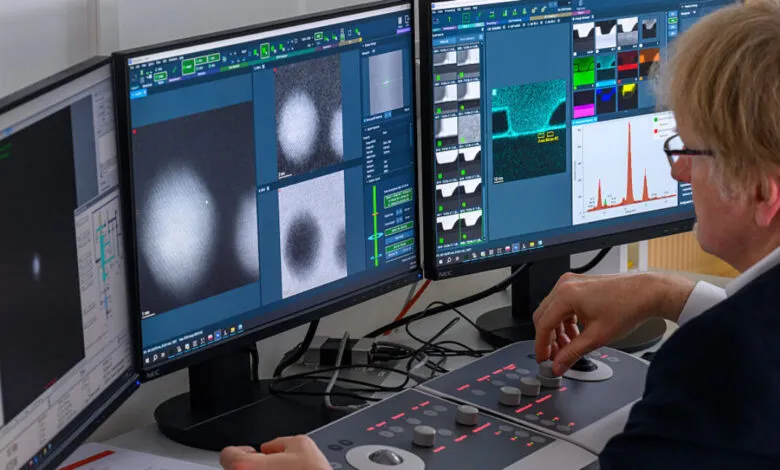
This funding is not an abstract budget line item; it supports the very foundation of research operations. Indirect cost reimbursements allow universities to pay for the infrastructure that makes groundbreaking studies possible. This includes constructing and maintaining secure laboratory spaces, ensuring reliable power and climate control for sensitive experiments, and covering essential administrative and safety services. The current system involves a customized formula for estimating these costs, followed by negotiation and periodic audits to ensure funds are used appropriately and efficiently.
The court’s decision means the established, individualized process for determining indirect cost rates will remain in place unless the Supreme Court chooses to review the case. For now, the research community can continue to rely on this vital stream of support, which enables institutions to manage the significant overhead required to advance public health and scientific knowledge.
(Source: Ars Technica)